How to Order at a Chaoshan Table
Ordering Chaoshan food follows its own logic: beyond cold and hot dishes, there are also braised items, kueh (rice cakes), quick-boiled dishes and white congee with side dishes. For a small table, first pick a main direction—beef hot pot or a braised goose platter—then add one or two kueh and a vegetable, and finally match tea to the number of people. For a larger group, add dishes at a density of one per two people; better to order in two rounds than to fill the table at once. The advantage is that you still have appetite for each item; the disadvantage is that you need to call the server twice more—but that is the norm at a Chaoshan table.
The key to beef hot pot is the cuts: diaolong (tenderloin), chibing (shoulder), chipi (shoulder blade) and xiongfkoulao (brisket fat) range from silky to crunchy. For a first visit, ask the staff to assemble a small portion with two or three textures; follow their timing for dipping. Chaoshan hot pot values "three dips"—overcooking betrays the freshness. The timing sign on the table is not decoration; different cuts really do need different seconds. Check the sign before you pick up your chopsticks—it's more reliable than guessing. For a detailed cut guide, see the beef hot pot page. The broth and dipping sauces also matter: clear broth with just corn and a few pieces of meat is meant not to overpower the beef; shacha sauce is the classic dip, while those who prefer lighter flavors can switch to bean paste—try both once and you'll know your preference. Don't wait for the broth to boil vigorously before adding meat; the gentlest simmer yields the tenderest slices. Before paying, glance at the bill: cuts priced by portion and platters priced by weight are written differently—ask if anything is unclear.
Breakfast is just as exciting: kway teow rice noodle soup, rice rolls and kueh juice (rice noodle soup with offal) each hold their own; the differences in broth and sauce are more telling than the signage. The rule for finding a breakfast spot is simple: the one full of locals at 7:30 a.m. is the one. Eat breakfast early, and you can still fit in one or two snacks between meals—the day's appetite is neatly arranged.
Braised Goose, Kueh and Oyster Omelette
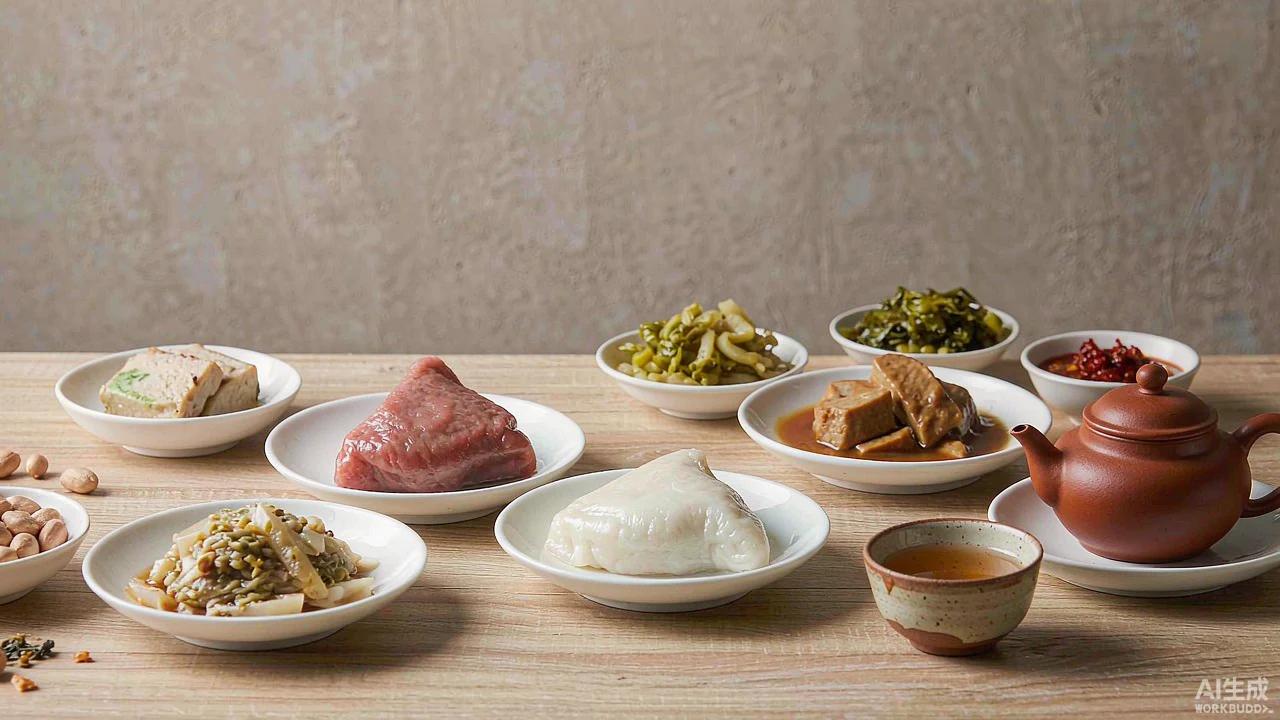
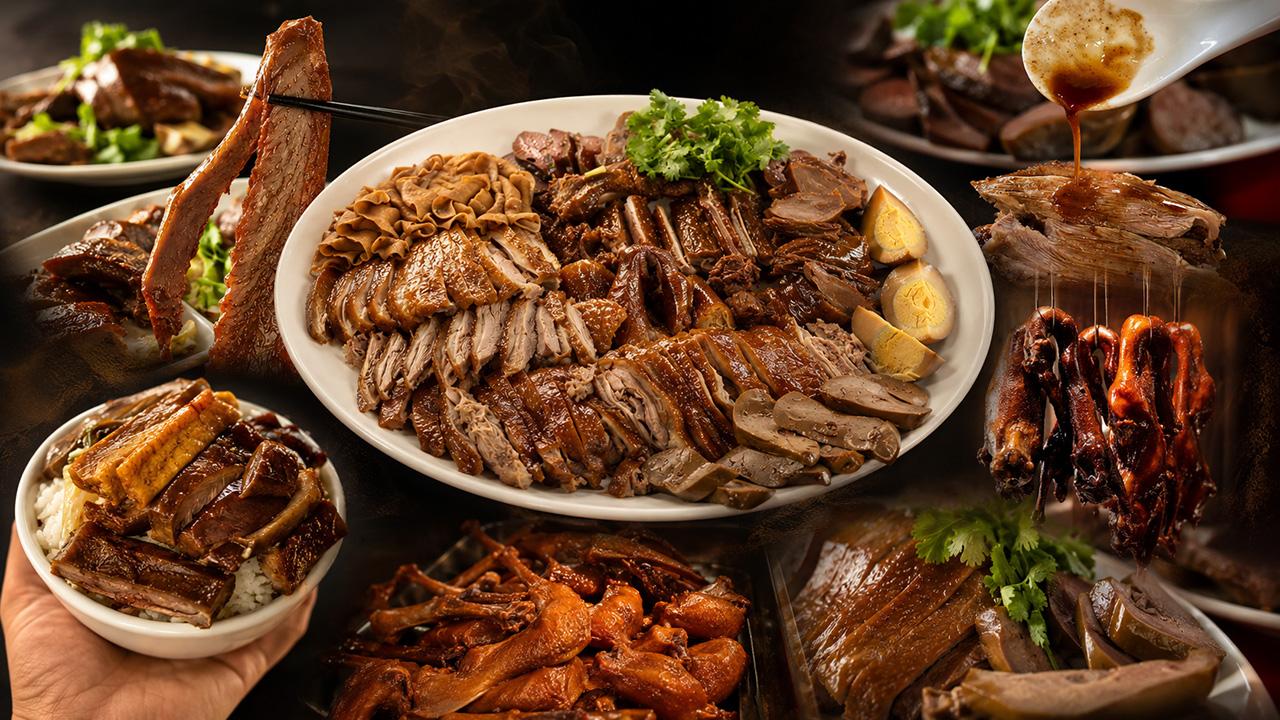
Braised goose bridges banquet and home tables: a whole goose is chopped by part, with head and wings distinct in texture, good with white congee or rice. Each family's braising broth differs—the balance of saltiness and sweetness decides returning customers. When ordering braised items, ask whether it's a whole goose or a platter; for a few people, a platter plus a portion of goose blood is enough. The world of kueh is even larger: red peach kueh, cudweed kueh (shuquguo) and kueh juice each have their occasions, and teahouses versus street stalls differ noticeably. To taste them all, spread them over several meals—don't expect to finish them at one table. Kueh fillings vary too: rice, bean and preserved radish versions exist, and the same kueh can taste completely different from city to city—this isn't inauthenticity, it's the local nature of Chaoshan food. For an introduction to kueh, see the kueh page; for oyster omelette methods and how to eat it, see the oyster omelette page. The golden rule for oyster omelette is to eat it hot: dip in fish sauce with pepper, and the crisp-outside, tender-inside contrast lasts only minutes. If sharing, simply ask the shop to fry individual portions—one per person beats a large shared plate for the best texture.
Late-night supper is the other half of Chaoshan food: white congee stalls open from dusk to late night, with dozens of side dishes—pickled vegetables, sesame leaves and fish rice each have their fans. Night congee is relaxed: one bowl with two or three sides is plenty; portions are small, so trying several beats sticking to one. If you're too full from dinner, save the night congee for the next day.
Choosing street food has a simple logic: follow the cooking. Stalls frying or steaming on the spot come first—what's made fresh is worth waiting for; for pre-packaged displays, watch the turnover, and if a small shop has few customers, better to move on. Street snacks are inexpensive, so trial and error costs little; if something doesn't suit you, just try the next stall—no need to agonize over guidebooks.
It's worth learning a few ordering communication tricks: state the number of people and the textures you want, and ask the staff to assemble the meal—more efficient than asking about each menu item. If you don't understand a cut name, ask the server to point at the next table—one glance and you'll get it. If you want spicy, say so in advance; Chaoshan food is built on salty umami, and spice is optional, not default. Those with sensitive stomachs should start with lighter dishes; although raw marinated seafood is famous, ask about freshness and preparation before deciding. Keep a note of dietary restrictions on your phone and show it when ordering—faster than explaining verbally.
Finishing with a Cup of Tea
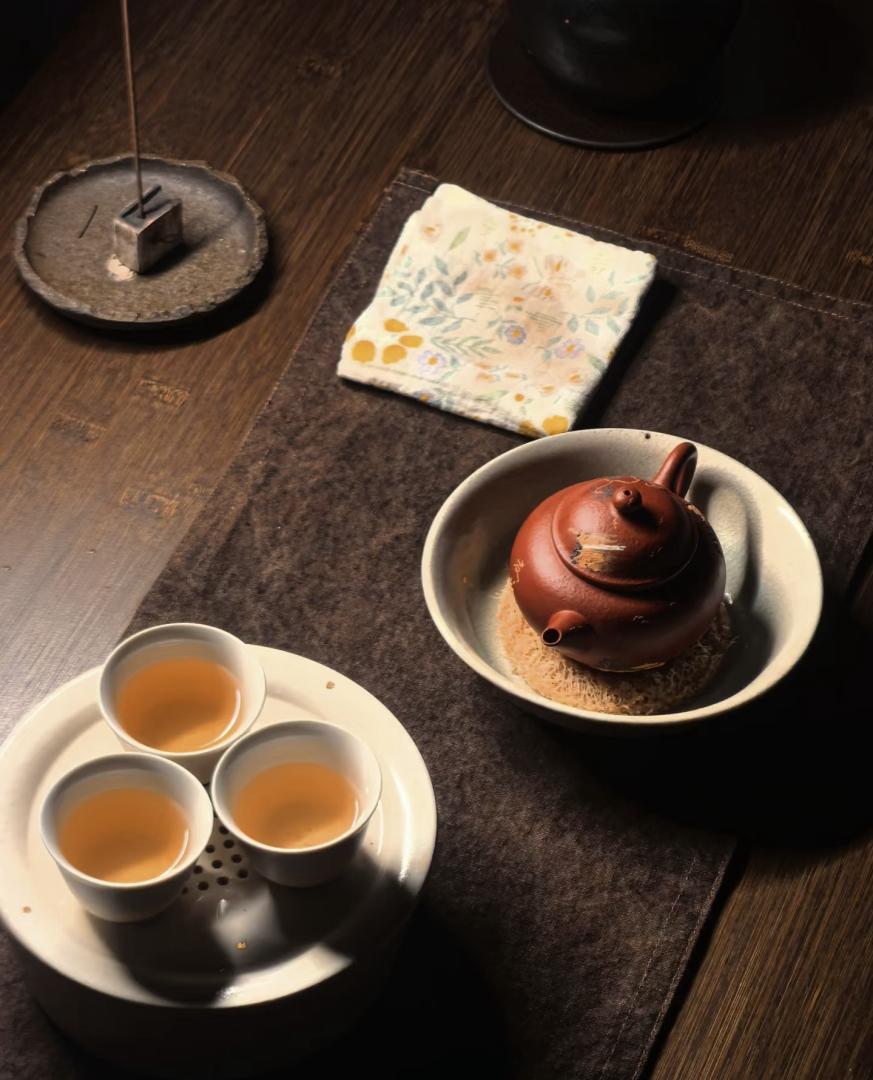
After a meal, gongfu tea (Chaoshan-style tea service) is the true full stop at a Chaoshan table. Three small cups and a pot of dancong oolong—when you're too full, tea suits the finish better than dessert. The first infusion is usually poured away, called "washing the tea," and the formal tasting starts from the second. The host pours cup by cup in turn; just place your cup back on the tray after drinking—no need for polite refusals. There's no need for ceremony when drinking tea in a shop; watch the host warm the cups and pour once, and you'll learn. To systematically understand tea etiquette and the aromas of Phoenix dancong, read our gongfu tea article. For small souvenirs to take home, tea and pastries are both fine—check shelf life and carry-on rules before buying. List edible souvenirs and display souvenirs separately: tea and pastries should be taken while fresh; handmade kueh are best bought the day before departure, as texture drops noticeably after two days; vacuum-packed braised items can last until you get home, but flavor is compromised—for the best taste, eat them locally.
Putting It into Your Itinerary
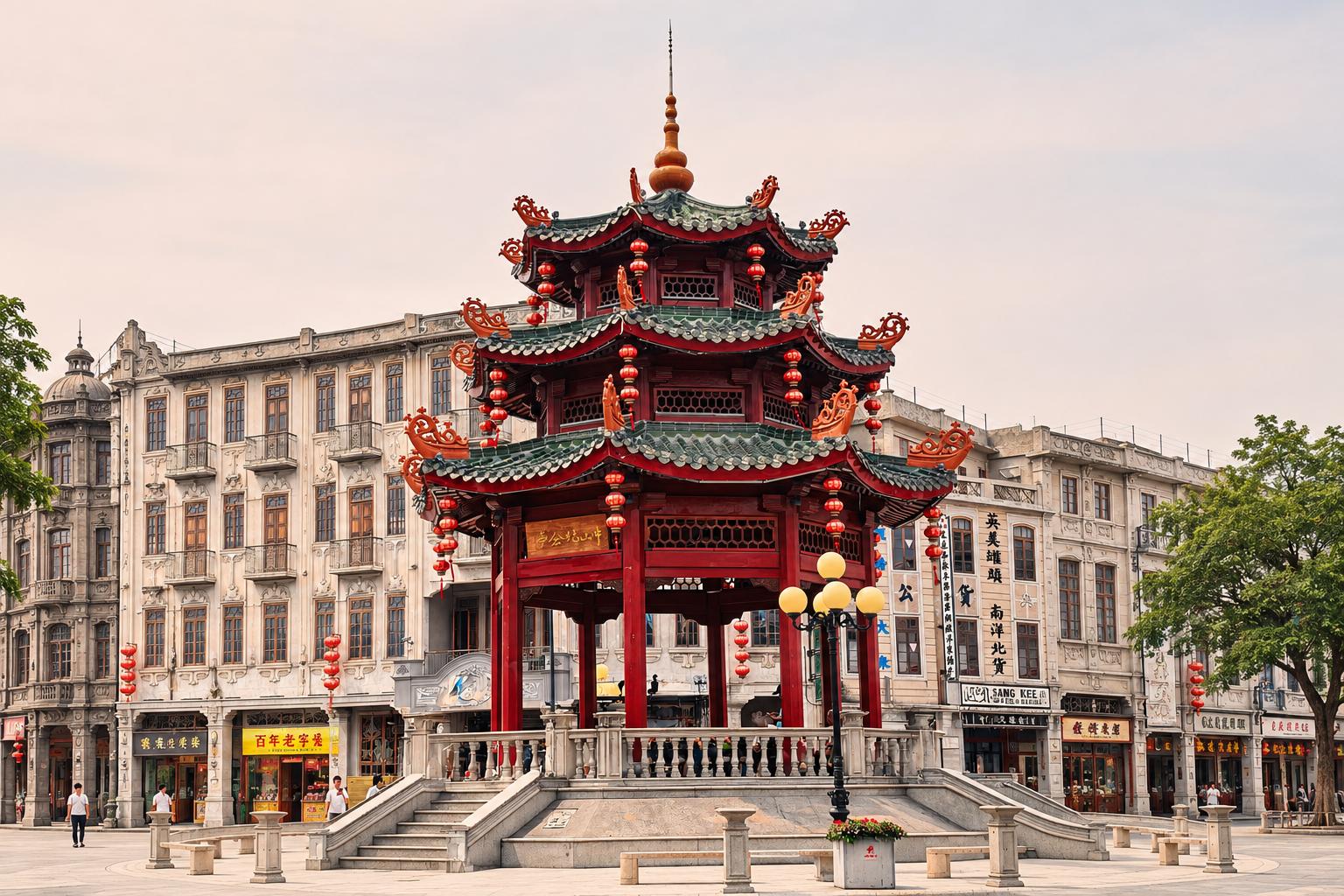
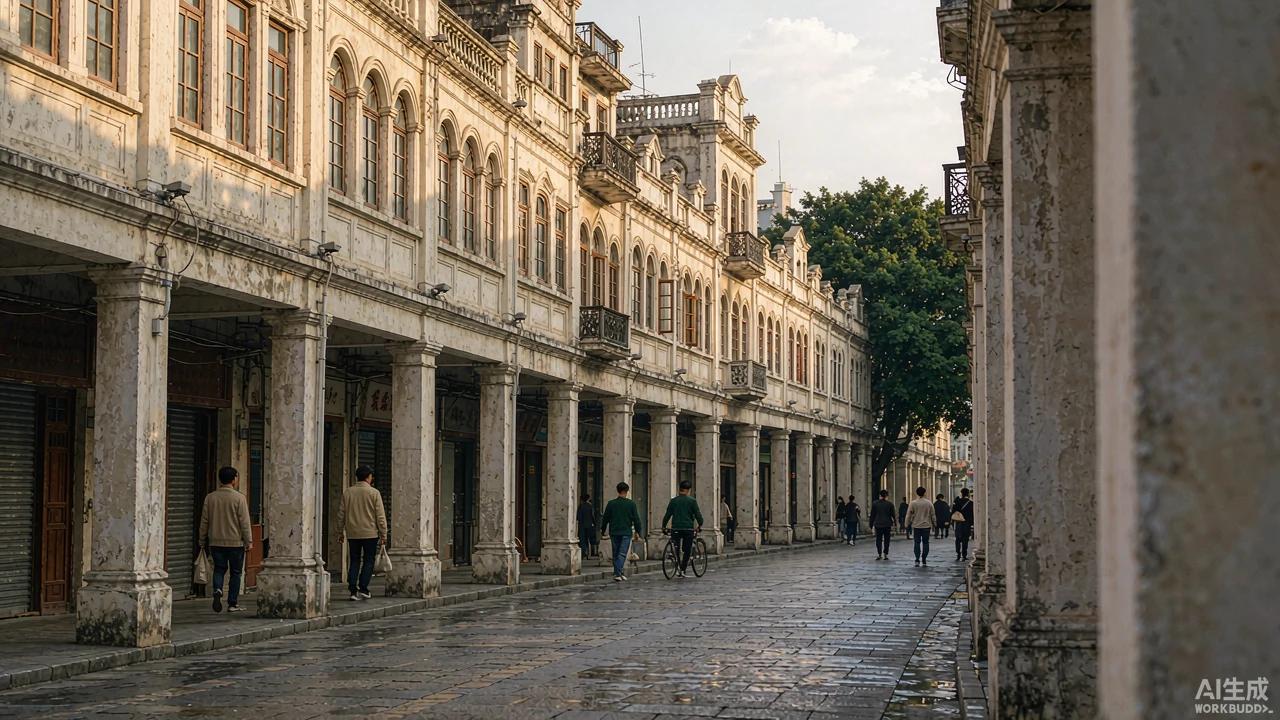
To understand several flavors at once, dividing by city is most sensible: in Shantou, eat beef and night congee; in Chaozhou, eat kueh, braised goose and drink tea. Leave gaps between meals for street snacks, and allow four or five hours between two main meals so your appetite can return. We've arranged a three-day food itinerary along these lines—you can follow it day by day. If it's your first visit and you want to cover the cities too, see the first-trip route, where the food sections follow the same order. Budget per person: a main meal at a few dozen yuan per person is already very good; save the big spend for one beef hot pot. For background on food culture, see the article on Chaoshan food culture on the National Cultural Heritage Administration website: Chaoshan Food Culture.