The Order of Three Cups
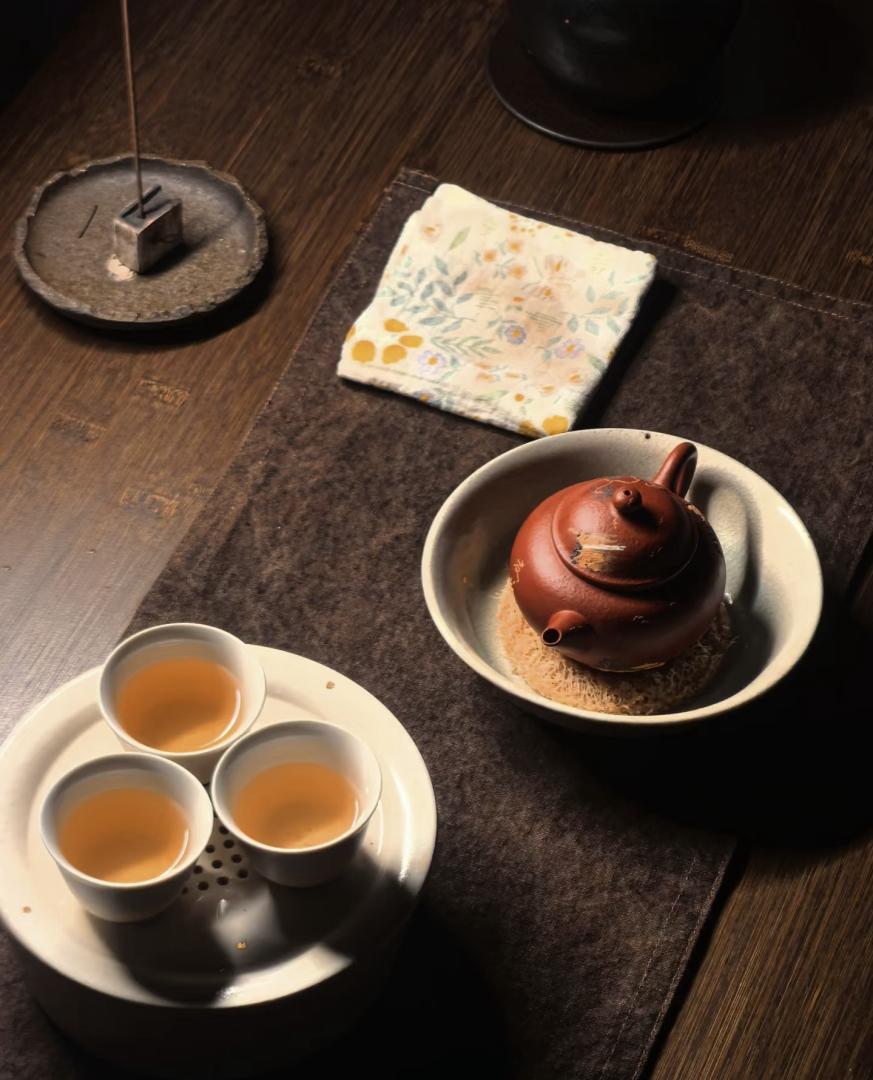
Chaoshan gongfu tea earns its name from the care taken in the whole brewing process: small pot, small cups, high pour and low decant, scalding the cups and heating the pot. Every movement is meant to bring the tea to its fullest expression in the smallest possible volume. On a traditional tea table, three cups are arranged in a triangle. No matter how many guests there are, tea is served in order of seniority—elders first, then the young; guests before the host. Cups are rinsed with boiling water before use and again after drinking, ready for the next round. These customs are common in Chaoshan homes and street-side tea shops alike; they are not a performance but daily life. Watch long enough and you notice a detail: however busy things get, the person pouring never lets a cup sit empty for long. The rhythm of brewing follows the drinkers, not the other way around. The so-called gongfu is half in the hands and half in the mind.
The tea is mainly Fenghuang Dancong, with aroma types ranging from honey-orchid to duck-shit fragrance, each with its own following. With the same tea, the first infusion and the third differ noticeably in aroma—local tea drinkers are drinking exactly this progression. Outsiders need not rush to identify the aroma type; simply feel the rhythm of a tea going from strong to light. The origin of the aroma names is worth mentioning: dancong is named for the fragrance of the leaf, and different bushes on the same mountain can differ markedly in style. The making process—bruising the leaves and roasting—adds another layer. To 'drink with understanding' is to taste who is speaking: the bush or the craft. Chaozhou gongfu tea art is listed in the national intangible cultural heritage register as an important representative of tea art; see the official entry at Chaozhou Gongfu Tea Art. The utensils also have their names: the brewing pot, the lidded bowl, the tea boat, and the tea rinse bowl each have their role. First-time visitors need not memorize them all—just watch how the host uses them. The pot's capacity is deliberately small; holding only three or four cups forces frequent rebrewing, so the tea never goes cold and the conversation never stops—smallness is the starting point of this whole design philosophy. A few more brewing details: pour water high along the rim of the bowl to avoid hitting the leaves directly; drain the tea completely, as leaving liquid behind makes the next infusion bitter; fill cups to seven-tenths, leaving three-tenths for human warmth—these sayings are passed down by word of mouth in Chaoshan, with slight variations from household to household, but the common points are speed and cleanliness. The hotter the water, the better; Fenghuang Dancong can take boiling water, while lukewarm water fails to draw out the aroma.
Tea and Tea Snacks
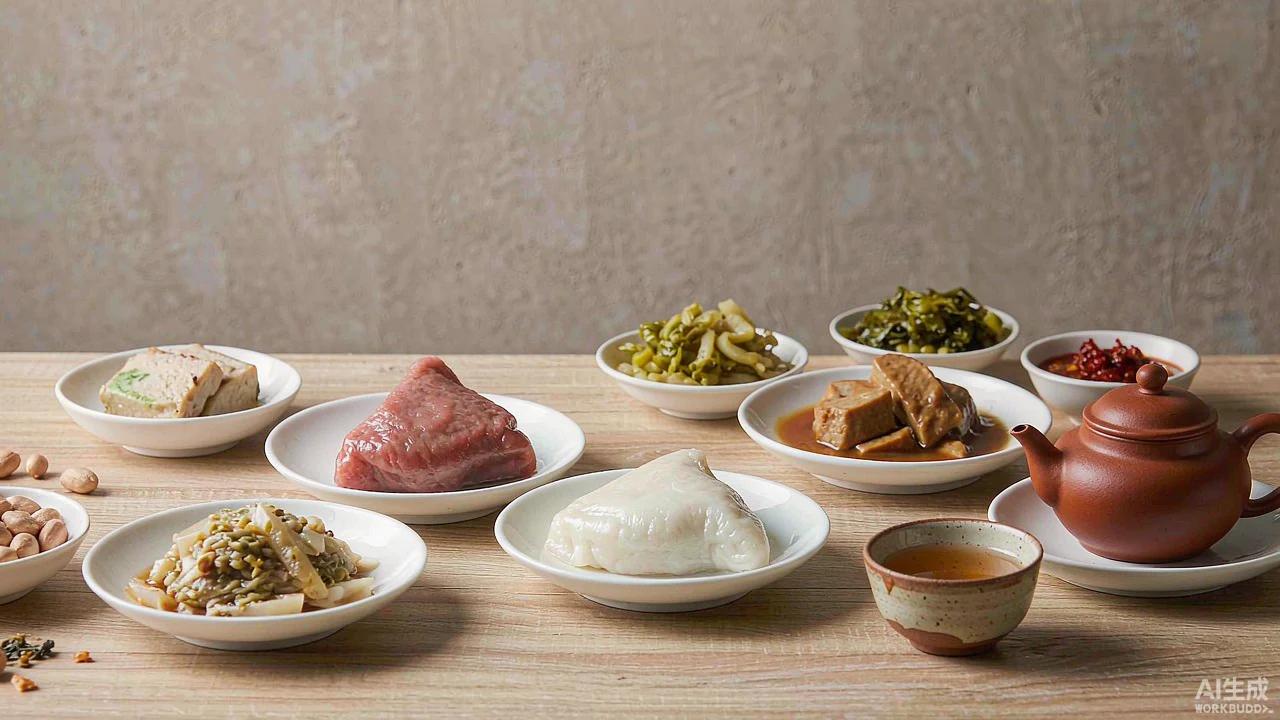
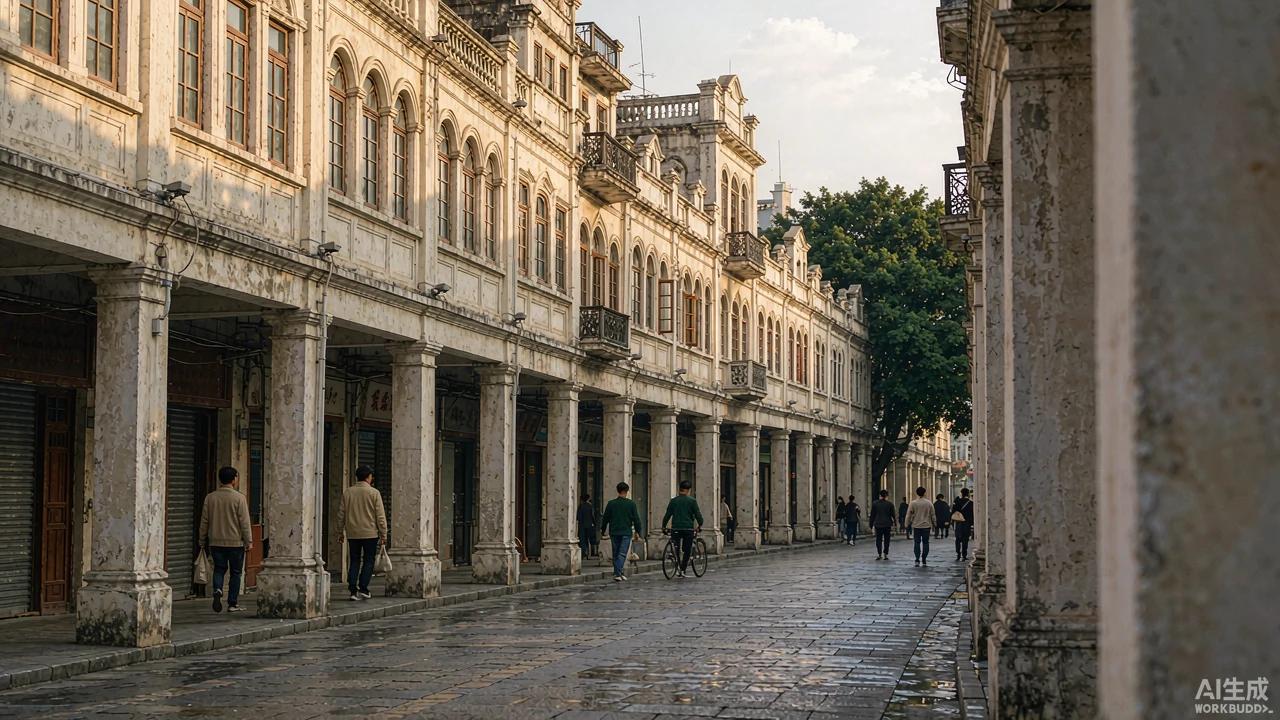
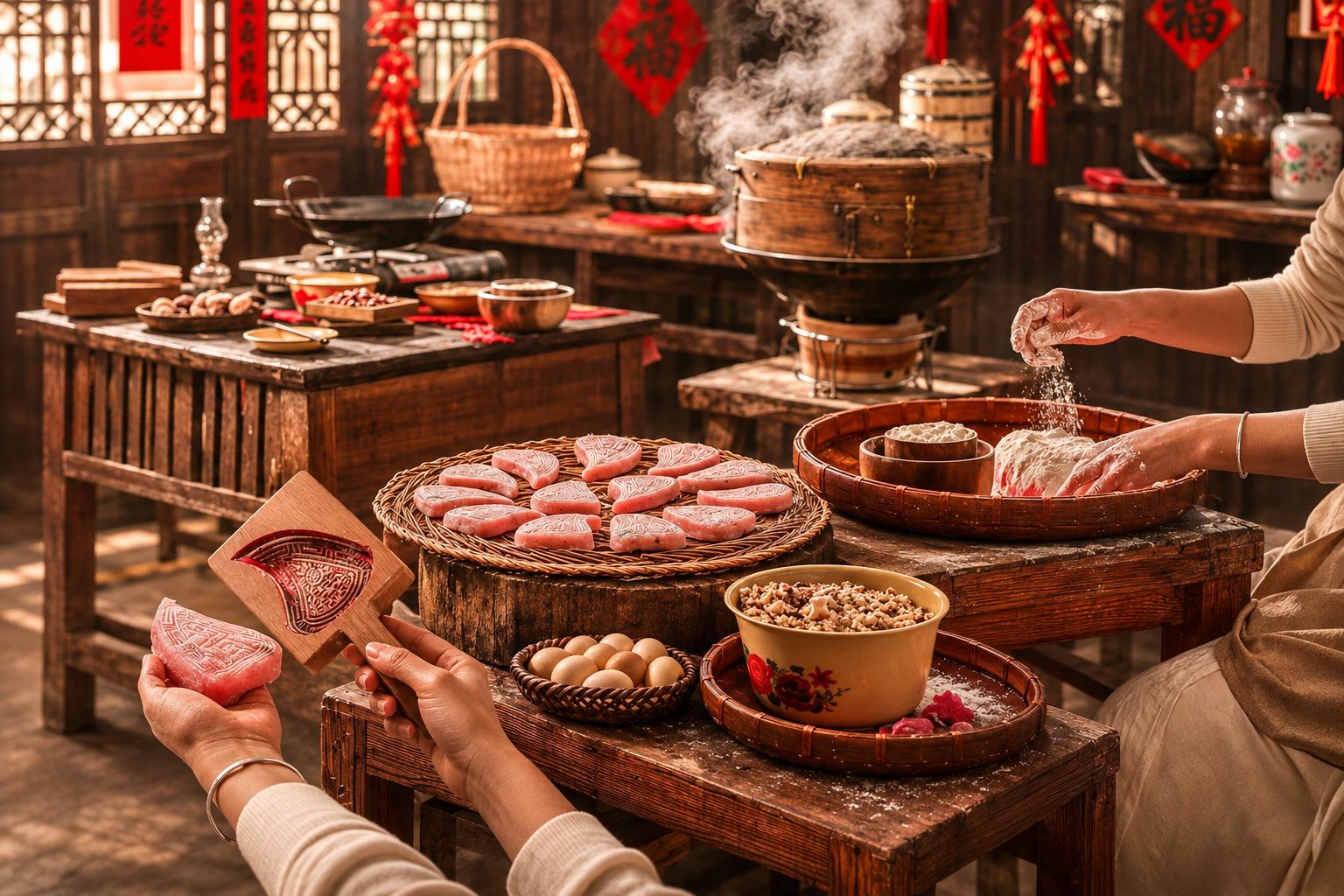
Tea tables often come with tea snacks, which Chaoshan people call chapei. These are mostly kueh (rice cakes) and sweet cakes—small and refined, one bite each, so they don't interrupt the rhythm of drinking. The specific varieties change with season and region; just ask the shop for what's in season. There is also a logic to pairing snacks with tea: sweeter snacks go with the honeyed aroma of dancong, while savory ones bring out the tea's lingering sweetness. The order is usually light first, then strong, matching the progression of the tea itself. For the categories of kueh, see the Kueh page. The occasions for drinking tea also shape the city's sense of time: in the old town of Chaozhou, tea shops are full of locals in the afternoon; under the arcade houses (qilou) of Shantou's old downtown, a tea set is often placed at the door, and passersby greet and sit down for a round—tea here is social currency. There is also a rhythm to tea hours: locals don't rush to drink tea in the morning; afternoons and evenings are when tea tables are busiest. To see the most everyday scenes, the old town after 3 p.m. and the old downtown after 8 p.m. are both good—sit quietly by the street and you'll see round after round of pouring and refilling. Tea also traveled with Chaoshan people to Southeast Asia: old letters often mention hometown tea being shipped overseas, and the greetings in qiaopi (overseas remittance letters) carry the weight of tea. Today, many tea table customs in overseas Teochew communities still look as they did when they were first taken abroad. After a round of tea, go see the old buildings in Shantou's former concession area, and you'll have a deeper sense of the city's migration history.
Where to Sit Down and Drink
For a quiet round, the tea shops along both sides of Paifang Street in Chaozhou are suitable. Choose a less busy time, ask the shop to brew a beginner-friendly aroma type, and ask questions as you drink; for city background, see the Chaozhou destination page. There's no pressure to enter a shop—sitting down for tea doesn't mean you must buy. State your budget upfront; it's normal for shops to offer samples within that range. If you're serious about buying, try three to five types before discussing price—it saves time for both sides. For more everyday scenes, Shantou's old downtown has more street-side tea gatherings, but be careful not to disturb people discussing business. Treating tea as a stop to schedule into your itinerary helps you understand the city better than rushing between sights. A round of tea takes about twenty minutes from sitting down to finishing; two or three rounds is an hour. Use it as a rest stop along the way, and your itinerary naturally gains breathing room. The culture-themed route Three-Day Culture Itinerary leaves time for tea on both the Chaozhou and Jieyang days; see the day-by-day plan for details. Beyond drinking tea, the teaware shops in Chaozhou's old town are worth browsing. Small zhuni pots and white porcelain lidded bowls sit in glass cabinets, and shopkeepers are usually happy to explain as you look. Buy or not, hearing a craftsman talk for a while teaches you more about why these utensils look the way they do than reading ten guides.
The Simplest Version to Recreate at Home
To continue at home, the simplest setup is a small pot, three cups, and one serving of dancong. Bring water to a boil, pour high, decant after twenty seconds, and extend the time with each infusion. You don't need to buy all the gear at once—get the rhythm right first, and add utensils gradually. The water needn't be mineral water; filtered tap water brought to a boil is fine. What really affects the tea is water temperature and decanting speed—get these right and ordinary water will brew a decent cup. Time your tea purchase for the middle of your trip: try two or three aroma types in a shop before deciding. Prices vary widely for the same aroma type from different mountain plots; ask the shop to recommend within your budget rather than chasing the most expensive. When carrying tea, beware of heat in the car—don't leave tea in the trunk overnight in summer, as the aroma fades faster than you'd think. Store tea away from light and sealed, and drink it soon after opening. Bringing tea home from Chaozhou, write the shop's brewing suggestions on the packaging—that's the most practical souvenir.