Aligning the pace with your family matters more than choosing attractions
When traveling with elders and children, the first day often determines the comfort of the whole trip. We suggest keeping arrival day very light: after airport or station pickup, check in directly, take only a short walk near the hotel in the afternoon, and have an early dinner and rest. Chaoshan's cities are walkable in scale, but summer sun is strong—schedule outdoor activities in the morning, return to the hotel after lunch, and that's the most stable rhythm for a family trip; the child's nap time is exactly when the adults can enjoy tea and chat.
Before departure, hold a family meeting to align on three things: what time to get up each day, whether to return to the hotel for rest at noon, and whether dinner should be heavier or lighter. Disagreements among three generations are usually not about where to go but about pace; agree on quiet hours each day in advance, and there will be far fewer arguments on the road. Assign roles before you leave—who watches the kids, who asks for directions, who pays—so you're not looking at each other on the spot; these divisions may seem trivial, but they're the most effective way to lighten the load on a family trip. Kids can also be given small tasks in advance, like choosing one new snack they've never seen each day, so they feel involved.
Where to stay and how to eat
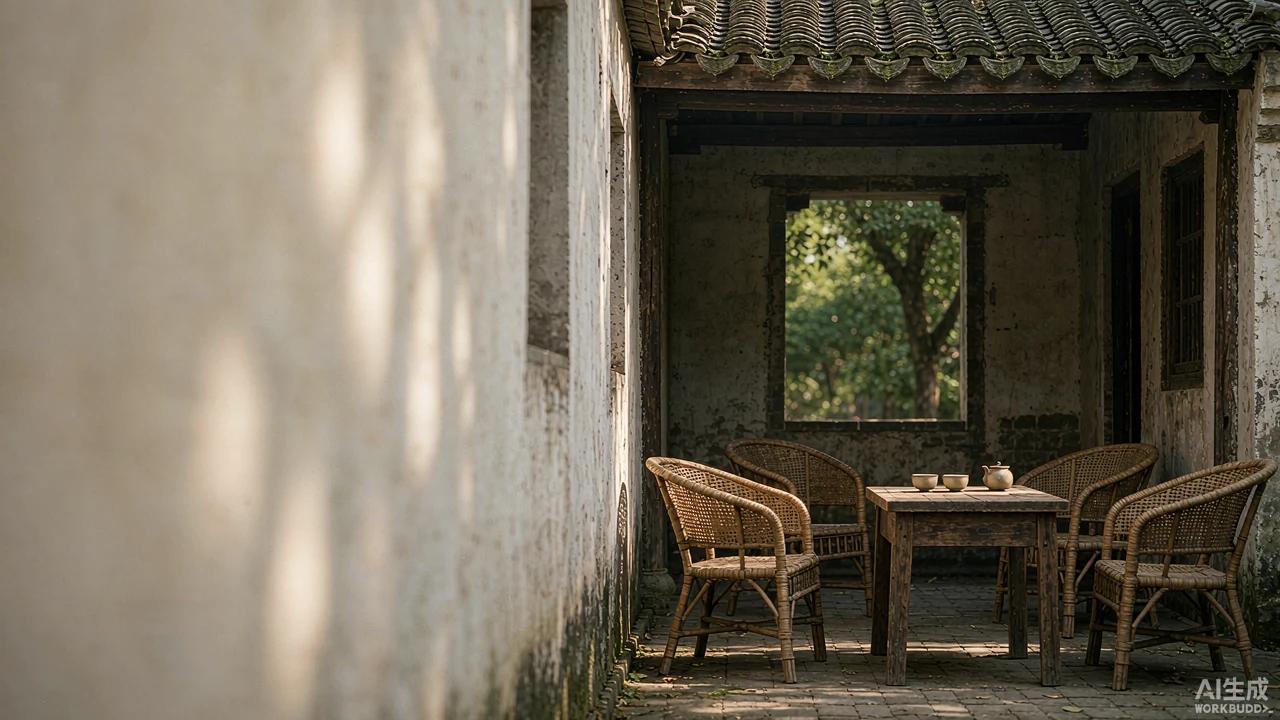
For accommodation, choose a hotel or apartment-style room within walking distance of the old town; the ability to rest in the room at short notice matters more than luxury facilities. Before booking, confirm the number of rooms and bed types one by one: a king bed for the elders, twin beds for the young couple, whether an extra bed is needed for the child—write these into the booking notes in advance; also ask about elevators, floor level, and soundproofing, as sleep quality varies greatly across three generations. Chaoshan is very family-friendly when it comes to food: Chaoshan beef hot pot can be ordered in small portions by cut, kueh teow soup served bowl by bowl, and plain rice porridge with side dishes suits both elders and children; gongfu tea houses often have tea snacks, so elders can drink tea while kids eat cakes—everyone is happy. For families with peanut or seafood allergies, tell the staff directly when ordering, and ask about the fillings of kueh before deciding.
For specific dishes, see the Food page for the differences between beef hot pot cuts, and the Kueh introduction for kueh and tea snacks. Prepare a travel medicine kit according to your family's usual needs; pharmacies are dense in Chaoshan's urban areas, so stomach medicine and mosquito repellent can be replenished anytime. The old town has many steps—confirm accessibility with your accommodation in advance for strollers and wheelchairs, and if necessary, switch to a baby carrier or choose a detour. There's also a standard for choosing restaurants: places with private rooms or wide aisles are more practical than famous ones; elders sit comfortably, kids have space to move, and meal satisfaction naturally goes up.
Kids' involvement can be more concrete: before the trip, teach them a few words like kueh, braised, and gongfu tea; when they spot the real thing on the street, the excitement of recognition beats any attraction. On the way back, let them be a little guide and talk about the most fun thing each day. Have the child pick one photo each evening as the cover of the day—when you get home, you'll have a ready-made travel journal, more flavorful than a photo album compiled by adults.
The interests of three generations can be catered to separately: elders prefer ancestral halls, old residences, and storytelling-style explanations; kids like things they can see and touch, like freshly made kueh or street-side sugar paintings; the middle generation acts as translator and coordinator. In each day's itinerary, give each group one exclusive activity, so no one feels they're just tagging along.
Suggested daily structure
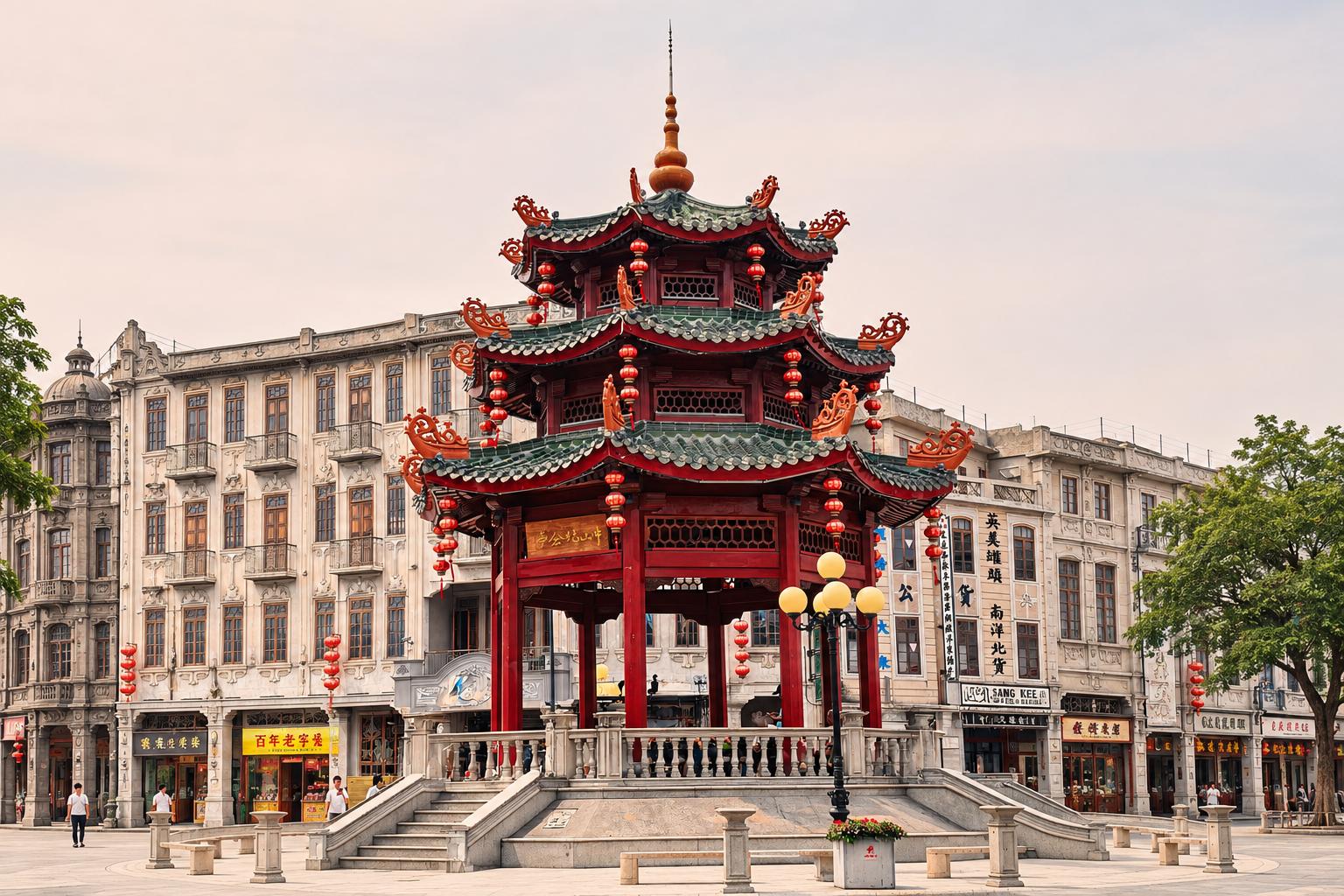
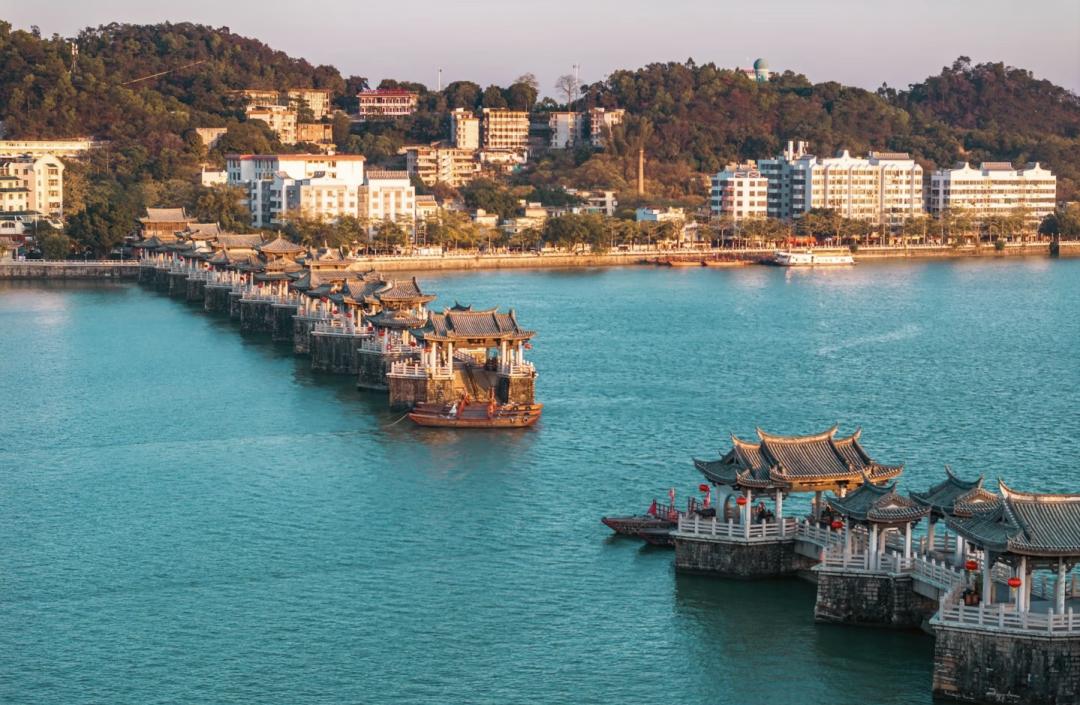
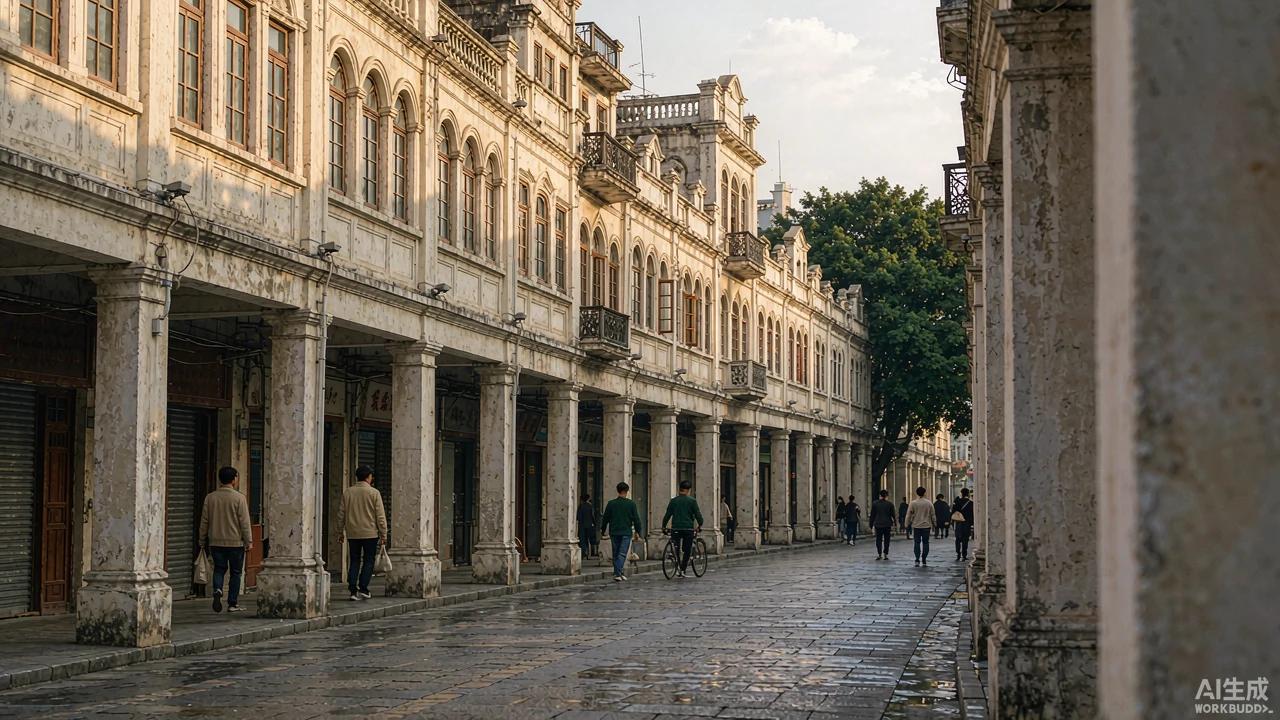
A safe family day structure is: one main activity in the morning, a proper lunch and rest back at the hotel at noon, a second light activity after 4 p.m., and a walk after dinner. With this structure, in Shantou you can arrange the arcade houses (qilou) district plus the waterfront, and in Chaozhou arrange Paifang Street plus the Han River bank in the evening, without rushing between stops. Children's energy budget should be calculated separately: estimate walking distance by the child's ability, not the adults'; rather call a car one extra time than push through the whole route. If the child is having a particularly bad day, decisively cut the second activity and watch others drink tea and play chess near the hotel—the itinerary serves the people, not the other way around.
Travel time in the car also counts: although cross-city moves are not long, children and elders tire easily in the car, so avoid departure times around meals and bring water and snacks; members prone to motion sickness should take medicine in advance and sit in the front. Upon arriving at the hotel, ask about breakfast hours and extra bed rules—confirming these small things before departure saves half the trouble on the road.
Leave it to a custom trip for peace of mind
Family trips have many variables—luggage, wheelchairs, strollers, dietary restrictions—each one changes route details. If you don't want to do the homework yourself, write the number of people, age groups, and dietary restrictions in your inquiry; we'll receive it on the Custom Travel page and arrange the daily order according to your pace. The most useful things to include in the inquiry are: the age of the youngest child, the elders' walking limit, foods that must be avoided or included, and the earliest wake-up time you're willing to accept each day; this information determines the skeleton of the route and helps us get the order right more than a destination list. For a 3-day sample itinerary, see First-Trip Route; if you want to add places like Confucian temples and ancient cities that are good for storytelling to kids, the daily arrangements in the 3-Day Culture Route are also paced for families.
Arrange travel documents and tickets in advance according to the official instructions on 12306; children's ticket rules are subject to the platform's published information. Dress in layers: cool mornings and evenings, sunny midday—bring a light jacket for both kids and elders; carry an umbrella in summer for rain and sun, and in winter it's damp and cold, feeling colder than the thermometer shows. Families with elders should pack daily medications by day to avoid rummaging on the road. One last thing: copy the daily itinerary on paper for the elders—reading on a phone strains the eyes, and a paper schedule is actually the most reassuring.