Start with the old things at home
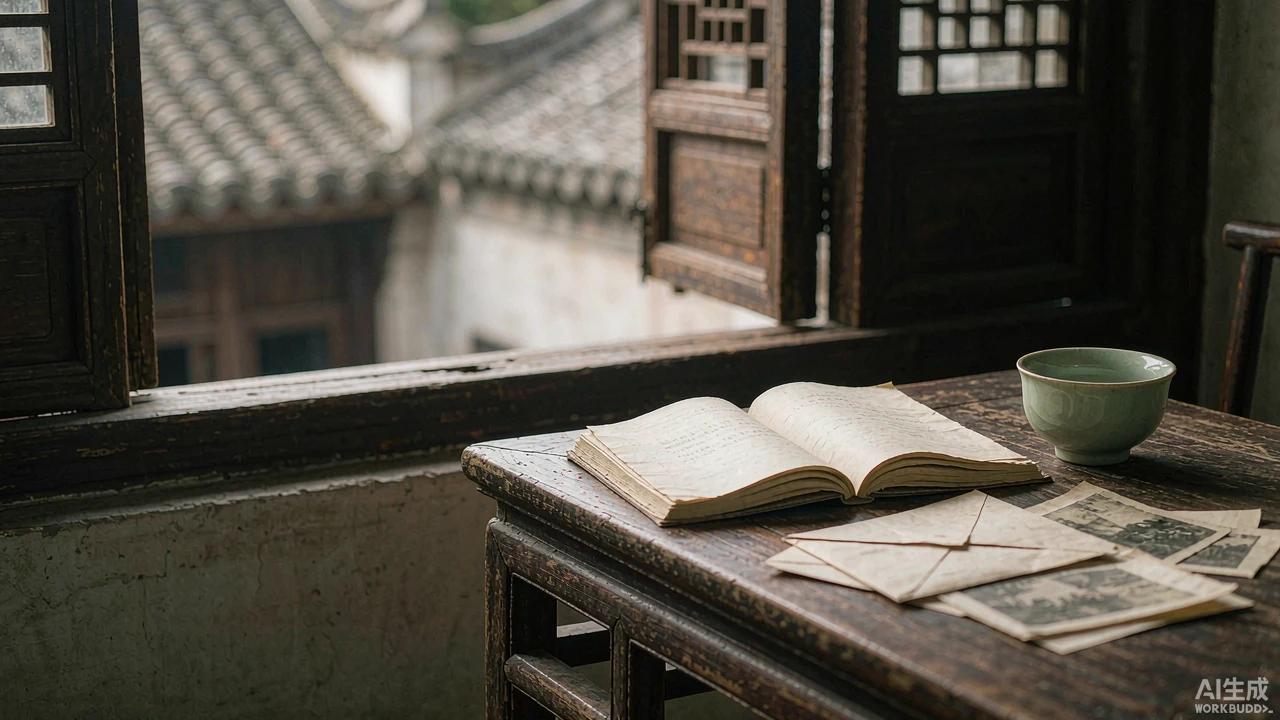
Organizing materials left by elders is the real first step of a roots journey. A village name, the orientation of an ancestral house, a remittance office stamp on a qiaopi (overseas remittance letter), a few small words on the back of a group photo—any of these can be an entry point to locating your family's origin. It is best to first arrange paper materials in chronological order, photograph and archive each item, and keep the original spellings as they appear. Homophones and variant characters are very common in Chaoshan place names; change one character when copying, and your search direction may go completely off. Rather copy it as it is first, then note possible alternative spellings beside it.
Qiaopi deserves a separate note. These are documents that combine remittance receipts and family letters sent home by overseas Teochew people; the envelope usually states the recipient's name, address, and the remittance office that handled it. The qiaopi archives have been inscribed on the Memory of the World Register, and Shantou has a dedicated qiaopi museum. Public reports on gov.cn can serve as background reference reports on the qiaopi museum . If your family has kept remittance letters, read the envelope before the letter paper: the recipient address column is often closer to the real address than the main text, while the remittance office name and the year of sending help determine the period when the family was active.
On envelopes sent from overseas, place names are often written in Romanized Teochew, and it is normal for them not to match today's official spellings. When this happens, first list them by pronunciation, then have someone familiar with the dialect restore them one by one; elders in the clan or fellow townspeople association members can often identify them on hearing them. The more detailed this step is, the fewer wasted trips you will make on the ground.
Treat oral accounts as material to collect
Arrange an oral history interview with the whole family involved, and write down the places, kinship terms, and dialect pronunciations that elders remember. Teochew and Mandarin pronunciations differ greatly; many place names only match the spelling on a map when pronounced in dialect. The colloquial names elders mention in passing are often the old names of villages. Let elders speak in their own order first, without rushing to ask for details, to avoid later guesses creeping into memory; after they finish, ask follow-up questions about place names, people, and dates.
Generation-name characters are another important clue. Chaoshan families often name children according to a generation poem, and people of the same surname in a village often share one generation sequence. Comparing the generation character in an elder's name with village clues is often more effective than remembering only the village name. The maiden village names of female elders are equally worth recording; many family migration clues are actually hidden in affinal relationships. Record kinship terms and birth order as they are, without converting them into Mandarin terms.
The equipment for the trip is simple: a camera or phone, a notebook for hand copying, and printed copies of a few old photos. Bring printed copies of old photos rather than keeping them only on your phone; at the village entrance you can hold them up directly for elders to see, which is far more natural than passing around a phone screen. Leave blank pages in the notebook for sketching simple orientation maps on site.
Before visiting, you can also do a written search. Local gazetteers, place-name gazetteers, and qiaopi databases can mostly be queried remotely; first try a round of searches based on existing clues and note the entries that match. Some city and county archives offer inquiry services by mail; state the purpose of the search and known information, and include a return address. Organize search results into the same three categories; whether or not you find a match, it is progress—if no such village is found, at least it suggests the spelling may be wrong, and the direction itself needs correction.
Sort into three categories: documented, oral, and to be verified
After organizing the materials, divide them into three categories: those with written evidence, those based only on oral accounts, and those entirely to be verified. Mark the source and credibility of each clue. On arrival, verify the first category first, use on-site visits to test the second, and keep the third as long-term questions. Do not chase multiple villages with the same name at once; checking one direction per day is more likely to yield accurate conclusions than rushing around. After each day's visits, check records face to face with family members who came along, to avoid later memory confusion.
Once there, try to do verification in public spaces: compare street signs and house numbers, check roof ridges, wells, and village entrance locations against old photos, and observe ancestral hall orientation and lane layout. Ancestral halls are important reference points, but do not enter and leaf through genealogies without permission; first be introduced by village officials or clan members of the same surname, explain your purpose, and only take photos or record audio after obtaining consent. When interviewing elders, write down their exact dialect words as well, and compare them slowly after returning home; the original words often preserve more place-name information than paraphrases. When no one in the village can answer a question, write it down on paper and leave it, noting the date of your visit and contact information—many village replies are passed back by others a few days later, and leaving a page of paper is often more effective than asking for another hour.
Turn the results into a list that can be passed down
A final reminder: carry photocopies with you and leave the originals at home. Materials will be passed around repeatedly during the trip, and a lost original cannot be replaced. Before leaving, scan each page and keep a cloud backup, using both paper and electronic sets. When there are many people traveling together, designate one person to keep the materials together to avoid scattering.
At the end of the journey, write your new findings into a list: newly appearing place names, old photos that match or do not match, and questions still to be verified, noting the source and verification method for each. Do not be disappointed if you do not find the ancestral house right away; many families need two or three trips to fully match. More importantly, this organizing gives the family materials order for the first time, so the next departure does not start from zero.
For background on Shantou, start with the Shantou destination page ; if you want to plan visits over several days, you can refer directly to the day-by-day ideas in the roots-themed 4-day roots journey ; and for pre-trip material review, you can submit it to us on the tailor-made journey page.