Chaoshan isn't a place you can cover in one go: Shantou and Chaozhou are two cities with different characters, Jieyang has a third rhythm, and Nanao is the island direction. Three days covers two cities, four days adds a stretch of coast, and only five days is enough to include Nanao and a village. First decide what you're here for, then decide the order.
Duration 3–5 days | Suitable for first-time visitors to Chaoshan, people returning to visit family, and those traveling with elders or children | What to prepare ID, regular medication, and a pair of shoes you can walk alleys in | Cost basis Accommodation and vehicles are confirmed by date, group size and room type; this article gives no quotes | Not suitable for people who want to tick off a dozen attractions in one trip
What places does Chaoshan include, and what role does each play?
Administratively, Chaoshan refers to the three cities of Shantou, Chaozhou and Jieyang; Nanao County belongs to Shantou and is an island reached by bridge; Shanwei is often mentioned alongside but is a separate city. Treat these four areas as four different travel subjects, and the combinations won't get messy.
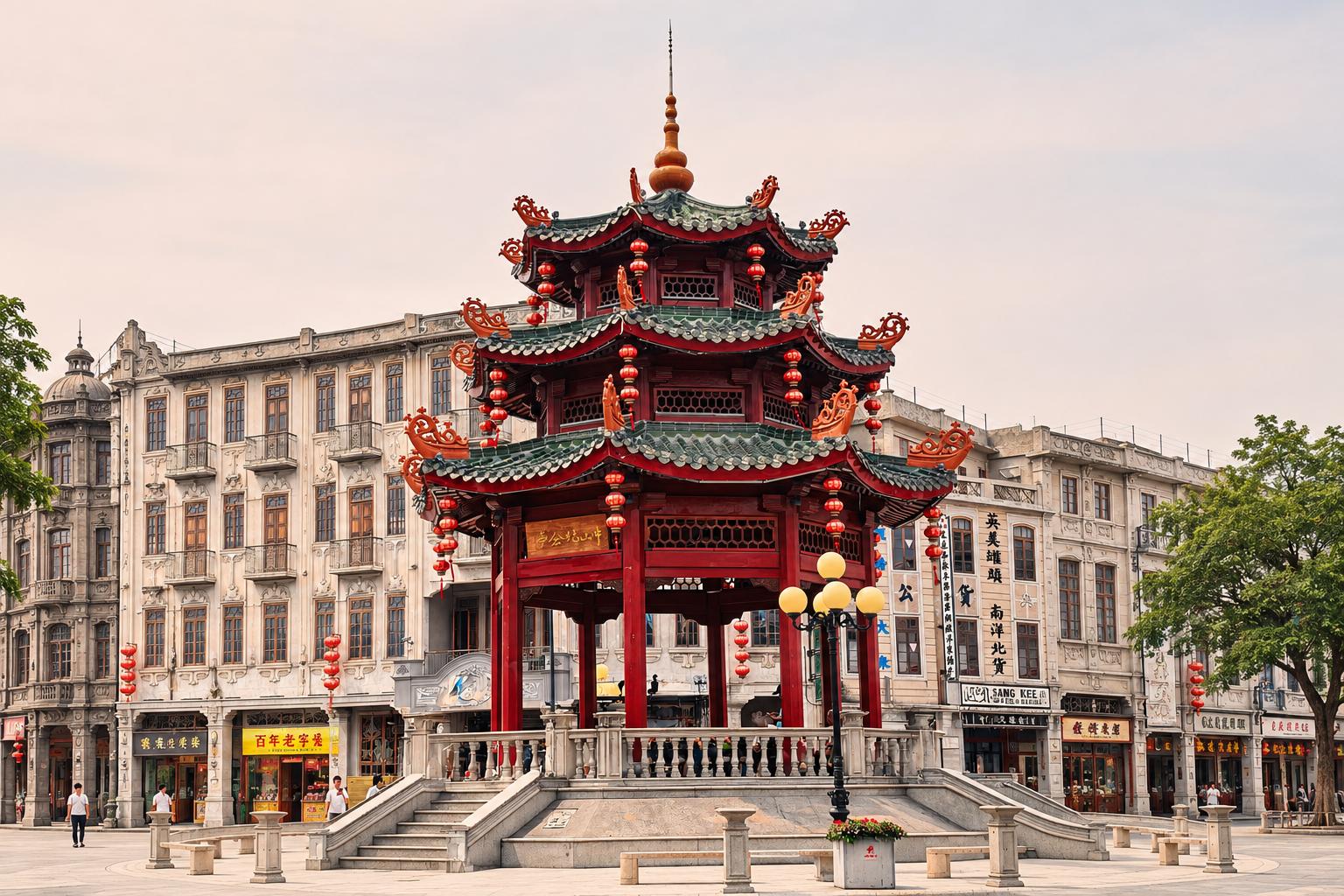
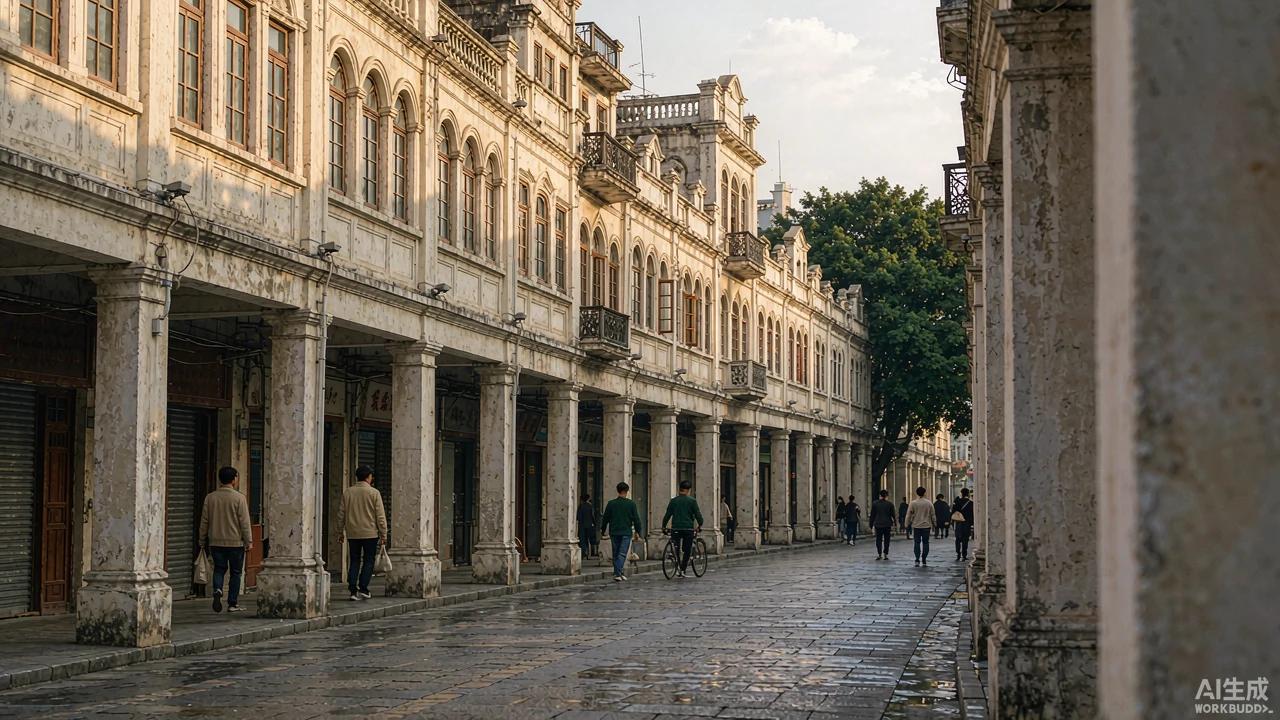
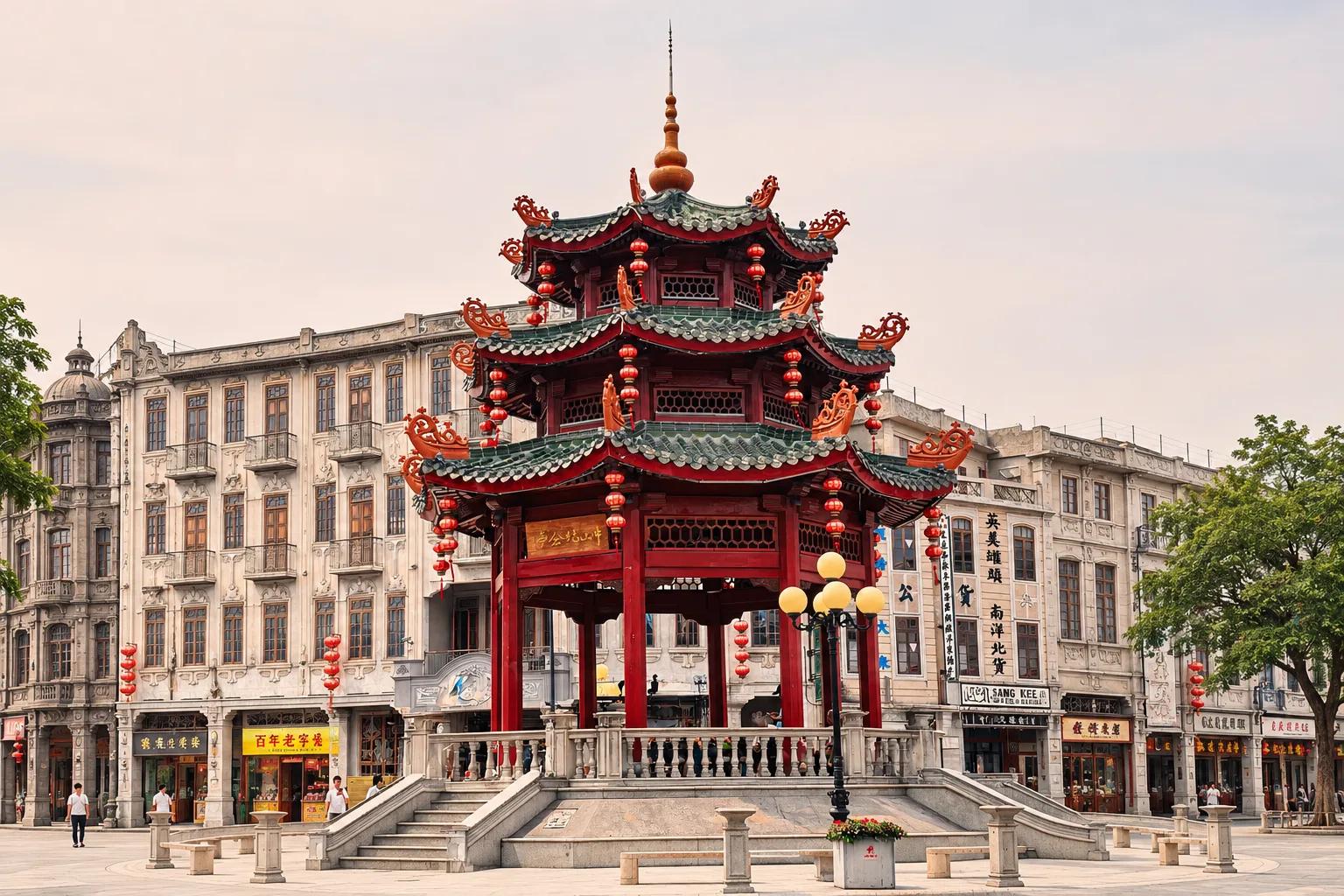
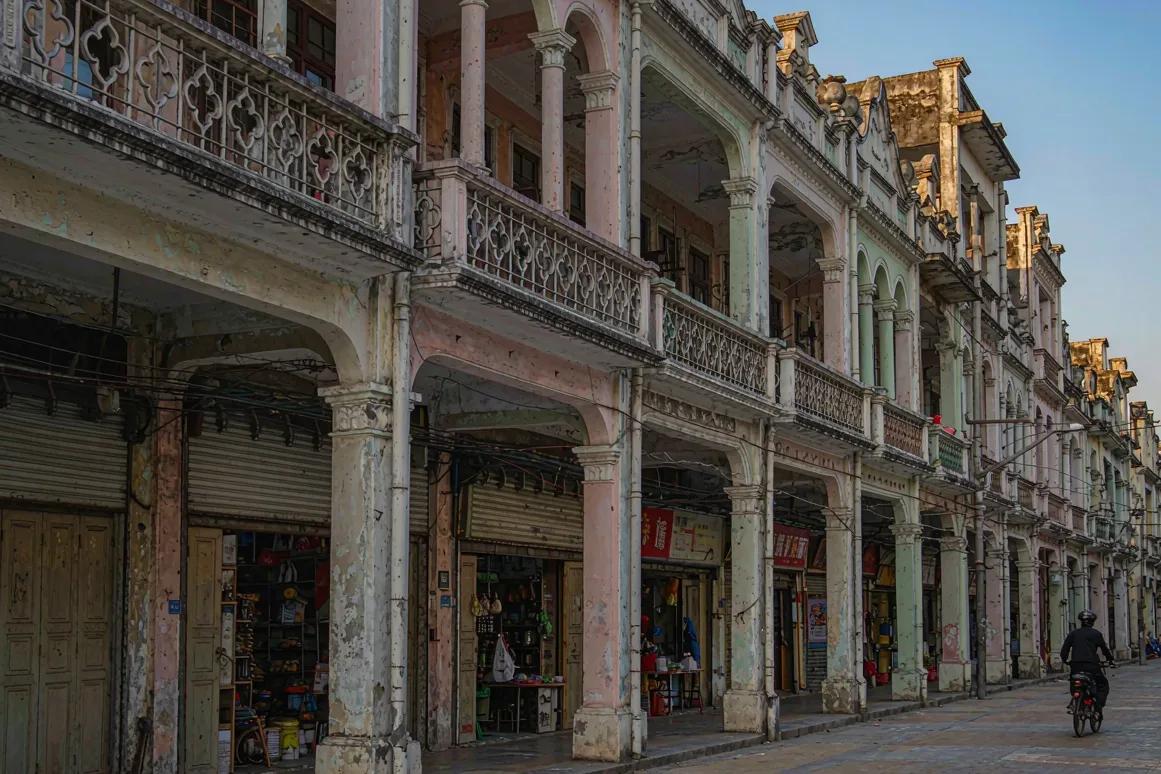
Shantou is the urban life side. The Xiaogongyuan area in the old port district is an arcade house (qilou) neighborhood: look at the architecture by day, watch the people at dusk; dining options are dense, making it a good base. For most first-timers, flying in and out of Shantou is the easiest.
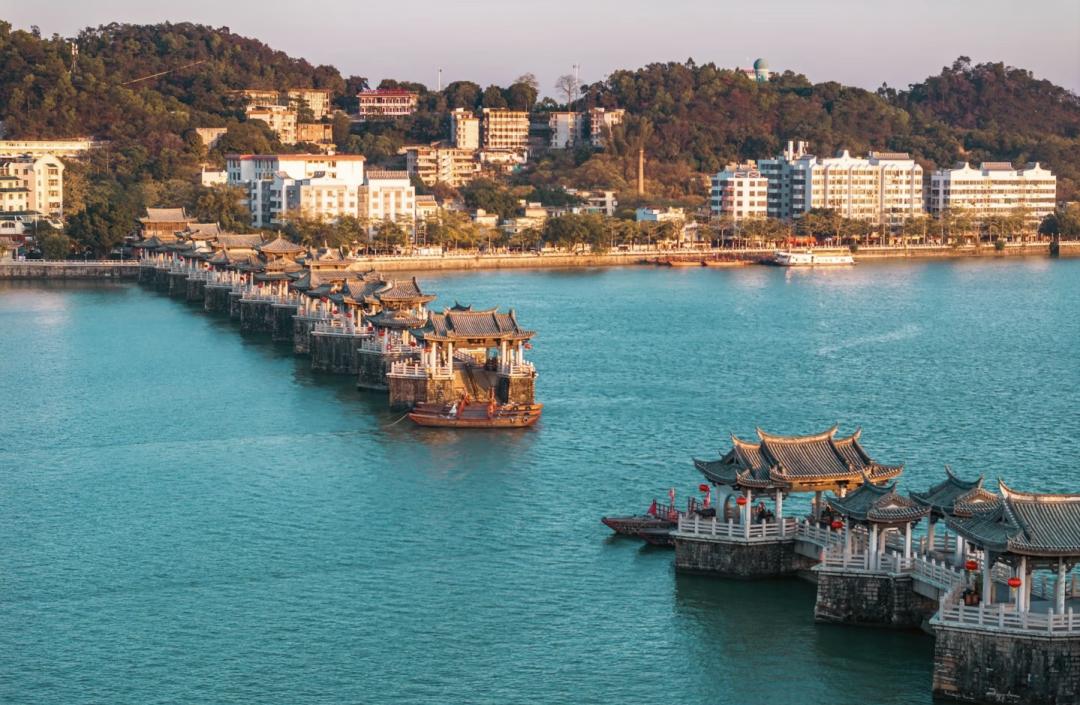
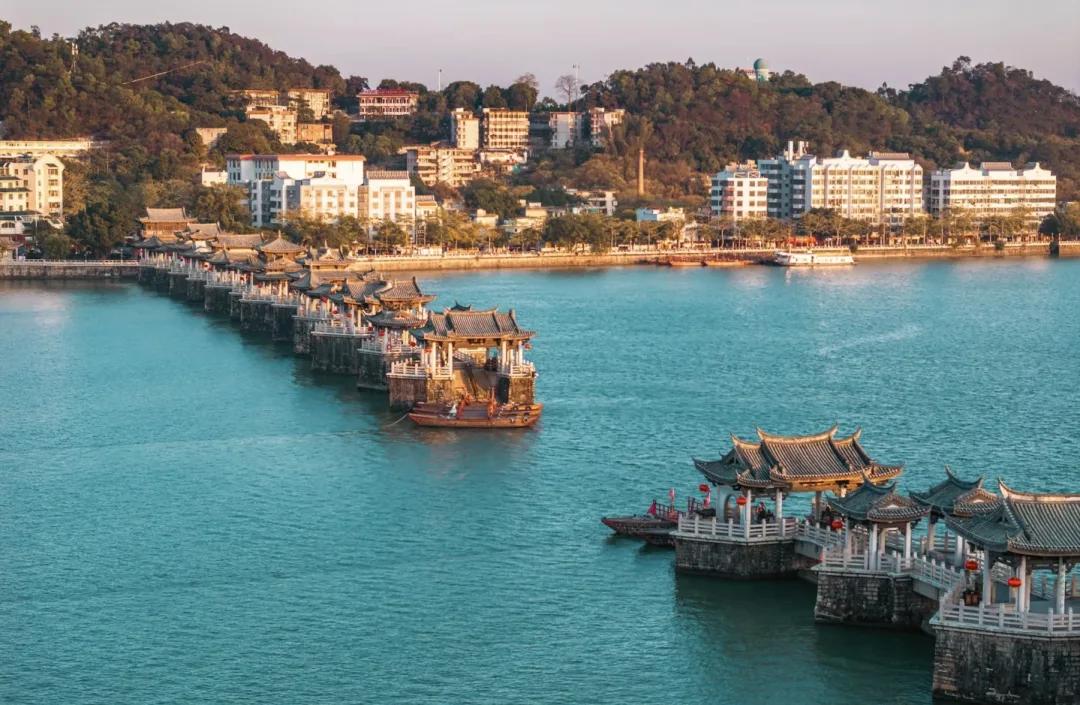
Chaozhou has the rhythm of an old town. Guangji Bridge, Paifang Street and Kaiyuan Temple are within walking distance; the alleys are more interesting than the main street but need time to wander. The old town deserves an overnight stay—Paifang Street before 7 a.m. is a completely different scene from the afternoon.
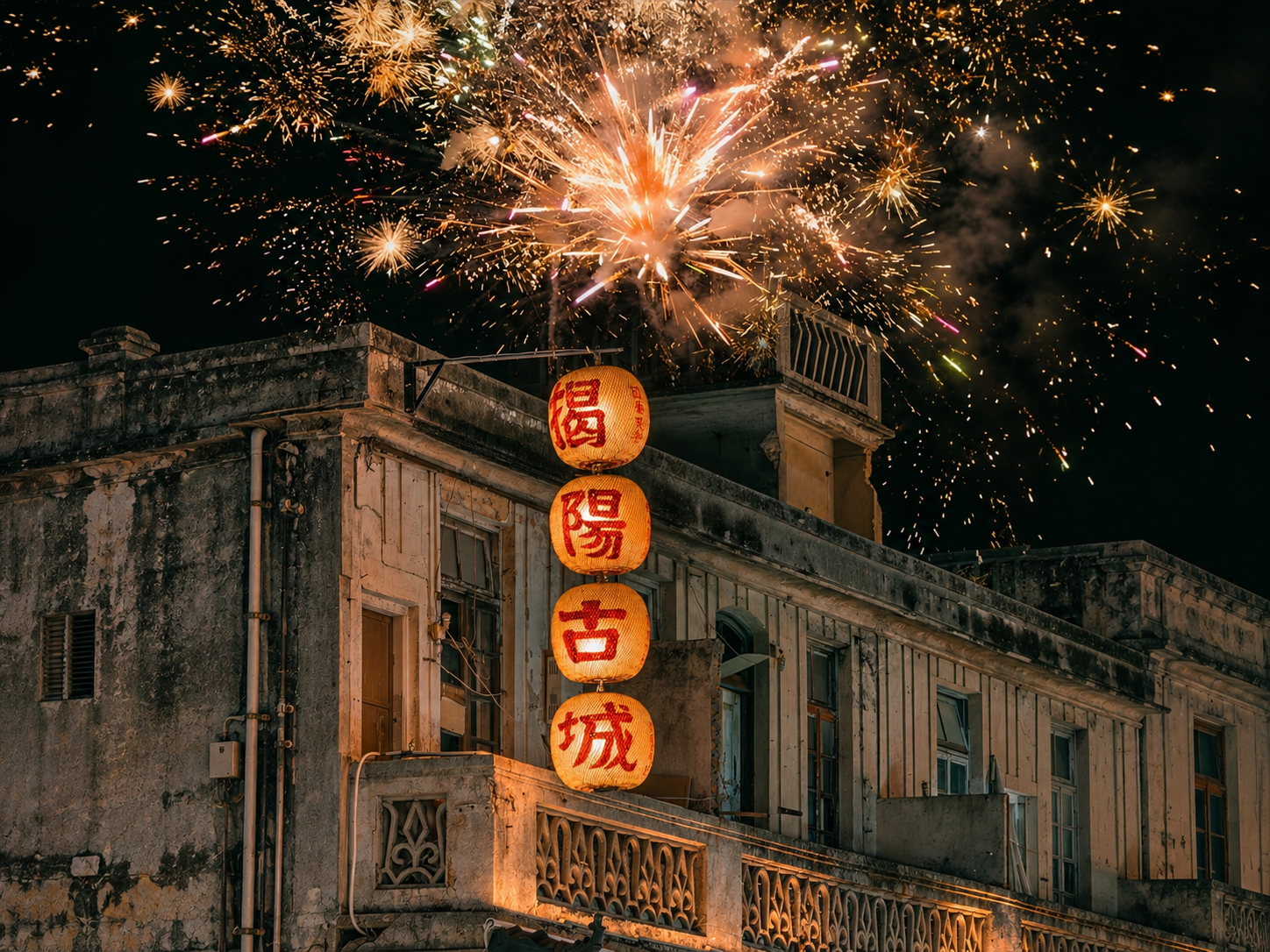
Jieyang is often skipped, but it has a Confucian temple, an old city and many village clues. It isn't a city that stuns at first glance, but for those seeking genealogies or wanting to enter villages, it is often the heart of the trip. Drives from the city to townships are short, and the roads are better than you'd expect.
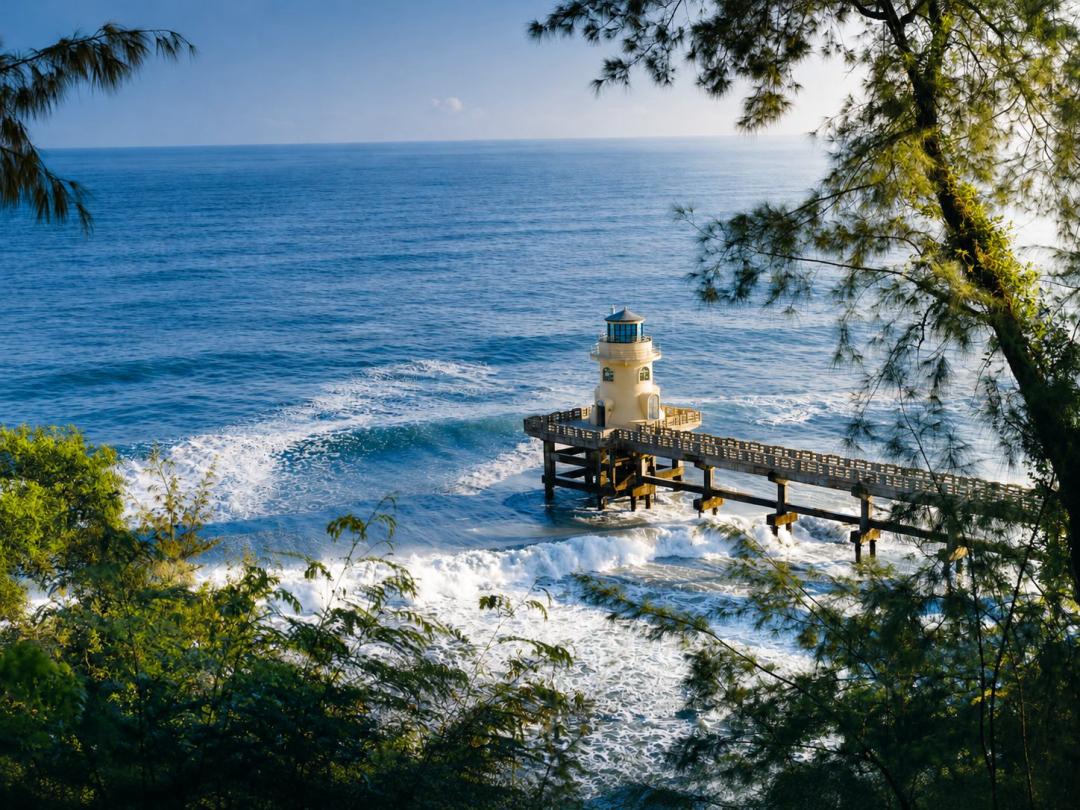
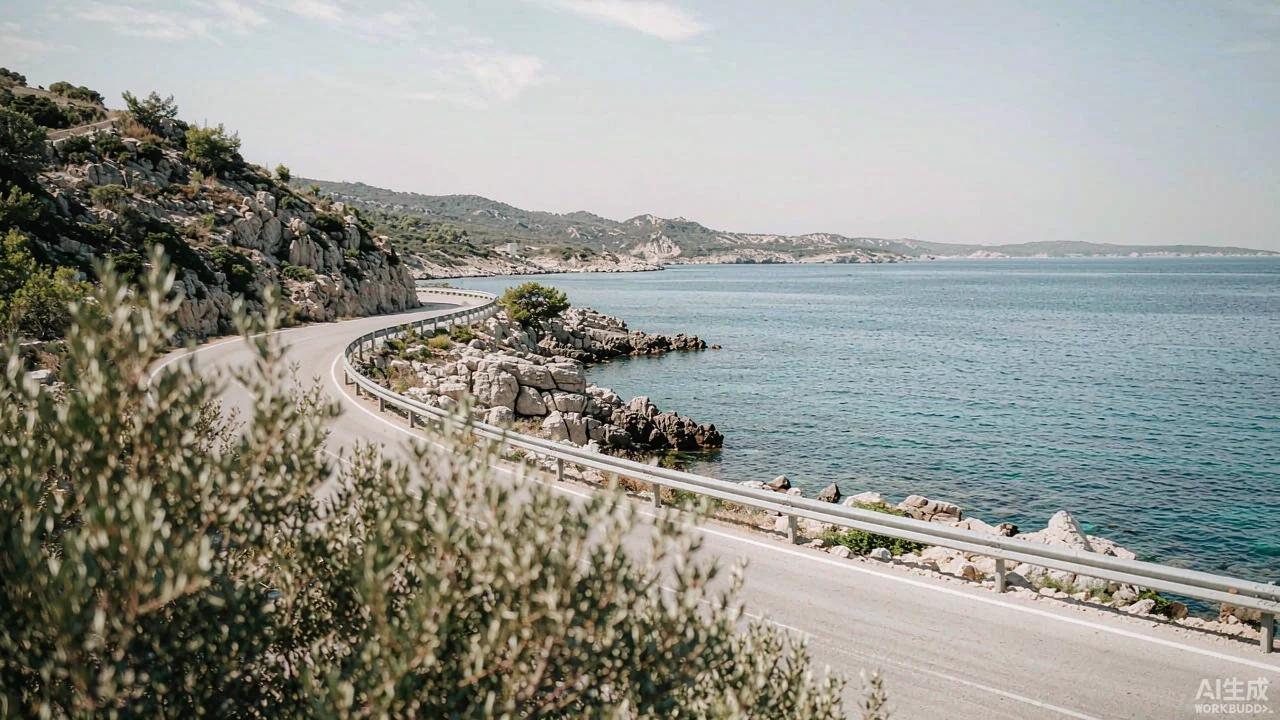
Nanao is an island, accessed in and out via the Nanao Bridge. The scenery is concentrated along the ring road and a few bays; on a good day it's worth an overnight stay, but when it's windy or the sea is rough, plans to take a boat to the island or cycle around it will be compromised. Treat it as a weather-dependent destination, not a fixed stop on the itinerary.
Shanwei is a peripheral extension. Administratively it isn't part of the three Chaoshan cities, though its language and food overlap with Chaoshan; on a first trip you usually don't need to force it in. Squeezing Shanwei into a trip of four days or less basically adds two hours of driving for yourself.
The division of roles among these four areas can be summed up in one sentence: Shantou handles sleeping and eating, Chaozhou handles seeing the city, Jieyang handles finding clues, and Nanao handles seeing the sea. First decide which of these four matters most to you, and the order will follow. For more details on individual cities, see the city pages for Shantou, Chaozhou, Jieyang and Nanao Island.
With only 3 days, how do you combine things without wasting time on the road?
The realistic answer for 3 days: two cities, with one as the main base and the other as a half-day add-on. Shantou plus Chaozhou is the most stable combination; the drive between them is about an hour, so switching cities during the day isn't tiring.
One plan is two nights in Shantou: arrive and walk Xiaogongyuan and the arcade streets on day one, have Chaoshan beef hot pot for dinner; on day two morning go to Chaozhou, walk Guangji Bridge and Paifang Street, return to Shantou in the evening; on day three morning add a stretch of old town or a market, and leave in the afternoon. The advantage is not having to drag luggage between hotels; the downside is you only see Chaozhou in daylight.
Another plan is one night in Shantou and one in Chaozhou: Shantou on day one, transfer to Chaozhou on day two morning and stay in the old town, walk the alleys on day three morning before leaving. Chaozhou's early morning deserves its own overnight stay—before Paifang Street fills up, you can see the doorways and porcelain shard decoration (qianci) in the alleys clearly.
For 3 days, adding Nanao is not recommended. Getting to the island, going around it and returning takes at least half a day; if there's strong wind or bridge controls, a whole day is gone. If you must see the sea, swap Nanao for a stretch of Shantou's east coast—much more controllable.
One easy-to-mix-up point about arrival transport: Jieyang Chaoshan International Airport is in Jieyang, not Shantou; the high-speed rail Chaoshan Station is in Chao'an, Chaozhou, while Shantou Station is in the city proper. Before buying tickets, check which station is closer to your hotel—don't just look at the city name.
The arrival day's schedule also deserves separate thought. If you land before noon, the afternoon is enough to walk around Xiaogongyuan and have a beef hot pot dinner; if you arrive in the evening, don't force an itinerary—leave the first night for the market and congee shops near your hotel, and you'll feel much better the next day. Same for departure day: from Chaozhou to the airport allow at least an hour's drive, plus half an hour during evening rush hour.
One more on-the-ground detail: the Xiaogongyuan area gets most crowded after 6 p.m.; if you want to photograph the arcade facades, before 9 a.m. is more relaxed. Guangji Bridge's daytime crossing and nighttime lighting are not the same arrangement—check the official notice once before you go, which is easier than asking on site.
Looking at the three durations together makes it clearer. 3 days: two cities, one main and one secondary, no hotel change or only one. 4 days: two days in Shantou and two in Chaozhou, or two in Shantou, one in Chaozhou and one on Nanao—the latter is more weather-dependent. 5 days: two days in Shantou, two in Chaozhou and one on Nanao, or swap Nanao for a village visit in Jieyang. Days are a constraint, not a goal; an extra day should go toward 'one less rushed transfer,' not 'one more check-in.'
How to plan 5 days: why should most people put Nanao last?
The usual 5-day combination is two days in Shantou, two in Chaozhou and one on Nanao. There are two order options; the difference is where you put the uncertain segment.
Putting Nanao last is the safer approach. The island depends on weather; strong wind, high waves and bridge controls can all happen. If it's on the last day and the weather turns bad, you can switch to a day in Shantou city without affecting the earlier itinerary. Conversely, if Nanao is on the first day and you can't get on the island, the hotels and vehicles for the following days all need rearranging.
More specifically: day one arrive in Shantou, walk the old port district in the afternoon; day two add markets and the old town in Shantou, leave for Chaozhou in the evening and stay in the old town; day three full day in Chaozhou, visiting Guangji Bridge, Paifang Street and the alleys separately; day four morning add one more spot in Chaozhou, return to Shantou or head directly toward Nanao for an overnight stay; day five go around the island for half a day, return in the afternoon. This plan keeps hotel changes to two.
If traveling with elders, schedule only one main activity per day. The old town has many stone-paved paths and the arcade district has narrow sidewalks, making wheelchairs inconvenient; parking at Nanao's ring-road viewpoints is limited, so allow time for getting in and out of the car. Slowing the pace is more useful than adding another spot.
If you decide to stay a night on Nanao, location affects the experience more than hotel class. Qing'ao Bay has a cluster of guesthouses, steps from the beach and good for sunrise; Houzhai Town is convenient for living, eating and supplies, and quiet at night. The point of staying overnight is to avoid the same-day traffic, not to stay in another hotel, so choose simpler lodging and save time for the seaside in the early morning.
If you only have 4 days, the common approach is to cut Nanao and do two days in Shantou plus two in Chaozhou; you could also cut Jieyang, but if the trip is about roots, cut Nanao first, not Jieyang. There is a reference plan for Chaoshan 5 days 4 nights that you can adjust against.
Weather can directly rewrite your itinerary. Summer and autumn are typhoon season each year; sea activities and ring-island plans should leave a flexible day. Around Spring Festival, Chaoshan is a different scene—many people return home and villages are lively, but train tickets and accommodation need to be booked well in advance. If you can choose your dates, avoid long holidays and go in shoulder season; the same number of days will show you more of daily life.
For those returning to seek roots, how does the combination logic differ?
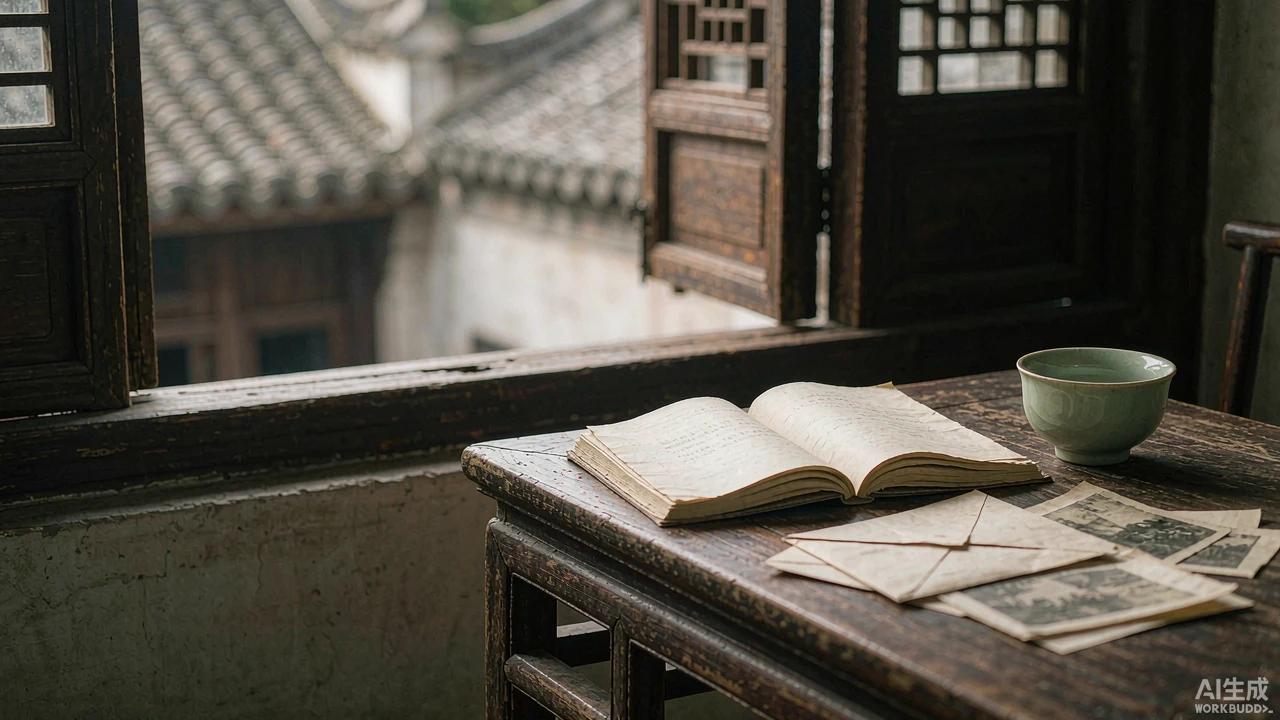
A roots journey is not sightseeing. Sightseeing is arranged by attractions; roots journeys are arranged by clues: first confirm which of the three—genealogy, qiaopi (overseas remittance letters), or village name—you have in hand, then decide which villages to visit and how many days to allow.
Most roots-seeking families have villages in the townships of Jieyang, Chaozhou and Shantou, which public transport barely covers; in practice you rely on a hired car. Half a day per village is normal; visiting two or three villages in the same town fills a day. So the foundation of a roots journey is 5 days: one day for arrival and departure, two days in villages verifying, one day as a buffer in the old town, and one flexible day.
Order also matters: first go to city archives and qiaopi-related exhibition halls to look at materials, then go to villages to ask people. Asking with specific names, hall names and generational ranks is far more effective than entering a village empty-handed. Doing it the other way—villages first, materials later—often means a second trip.
One boundary must be made clear: whether you can enter an ancestral hall or see a genealogy depends on the village and the clan, not on any travel agency or local guide. What we can do is contact in advance, arrange according to local etiquette, and allow enough time; we cannot promise that you will definitely find the right people or get through the door. This boundary is written on the roots theme page and is worth reading before departure.
If elders are on this trip, loosen the schedule another notch: one village in the morning, rest in the afternoon, nothing in the evening. Elders' reactions to weather and stamina are more real than the itinerary; don't plan at a young person's pace.
There is also an order to entering a village. First ask at the village committee or the elders' activity center—more appropriate than knocking on doors in the alleys; bring a little tea or fruit, explain your purpose, listen first, then bring out your materials to compare. Those who can read genealogies in a village are often a few older uncles, and they aren't necessarily there every day; asking someone to arrange a meeting a day ahead is more reliable than chance. No one can guarantee these things, but doing them or not makes a big difference.
Which combinations look convenient but are actually a hassle?
The first is squeezing Nanao and Chaozhou into 3 days. The three points aren't far on the map, but in reality a day is spent on the bridge and ring road, and both cities get only a quick glance.
The second is changing hotels every day. Chaoshan's cities aren't big, but checking out, storing luggage and checking in eat up the best two hours of the evening; changing hotels three times in three days equals missing a neighborhood. There's also a hidden cost: old-town guesthouses are mostly in alleys where cars can't enter, so dragging a suitcase two or three hundred meters is common, and worse on rainy days. If you stay in the old town, reduce your large luggage to one backpack, and the frequency of changing cities will naturally drop.
The third is putting Shanwei into a 4-day itinerary. It's more than two hours one way, plus meals and stops, taking up at least a day; unless you're coming specifically for Shanwei's sea or a particular shop, save it for next time.
The fourth is checking off an influencer list. Chaoshan's value lies in the alleys, the markets, and the half hour sitting at a tea table, not at doorways you photograph and leave. If your goal is just photos for social media, the old town's stone paths and arcade districts will probably disappoint you—you can skip that part and trade the time for a seaside hotel and a slower meal.
In the end, a Chaoshan itinerary is not addition but subtraction. First be clear whether this trip is for eating, for seeing the city, for seeing the sea, or for finding people; keep only one main thread and treat the rest as margin. Margin is not waste—it lets the itinerary still have choices when faced with weather, stamina and unexpected situations.
Sources: public information from the Guangdong Provincial Department of Culture and Tourism (whly.gd.gov.cn) and the China Intangible Cultural Heritage Network (ihchina.cn). Guangji Bridge access, festival schedules and island visitor limits are subject to official announcements on the day of travel; this article makes no promises on their behalf.
If you need a specific combination, tell us your departure month, group size, whether there are elders or children, and whether you want to enter villages; we'll give you a plan based on your constraints and revise it together. Prices and inclusions are confirmed by date and group size; no promises are made here. See the tailor-made journey description, or compare directly with the structure of the 4-day roots journey.