In roots tracing, sequence matters more than enthusiasm. First confirm the surname and generation name, then narrow the branch by ancestral origin, then pin down the specific village, and only then discuss entering the ancestral hall. If you can't get results at one step, the next is likely a wasted trip. This piece only covers the verification order: what each step yields and what to do when stuck.
Duration Four days minimum, including one village visit | Suitable for Those with a surname, one or two old place names, or a family heirloom | Prepare Elders' oral records, old photos, pen and paper, a phone that can make long-distance calls | Cost basis Vehicle and accommodation confirmed by date and group size; no quotes in this article | Not suitable for Those who only want to confirm 'am I Chaoshanese' and don't plan to visit villages
Why is the first step the surname, not the village name?
Village names can be miswritten; surnames cannot. In Chaoshan, place names with the same pronunciation but different characters are very common—one sound may correspond to three or four written forms. Copy one character wrong and your search direction is completely off. Surname plus generation character is one of the few pieces of information you can verify yourself: if it doesn't match, it's wrong, no need for anyone's confirmation.
The first step requires three things: surname, generation character, and roughly which generation migrated out. These three can be cross-checked in genealogies, ancestral tablets, and tombstones. If two of the three match, the direction is basically sound; if only one, don't proceed yet.
The concrete action is simple: pick out the generation character in the elders' names and line them up by generation. Chaoshan families often name by generation characters; the same branch shares one generation poem. Once lined up, you can see your family's position in the branch and roughly how many generations apart.
Also distinguish major and minor lineages. The same surname in one town may have two or three groups that migrated in different periods, each with independent genealogies. The way to tell is the generation poem: different branches use different characters, and the first few characters won't match. Same surname but mismatched generation sequence usually means not the same branch—don't force a connection.
A common stuck point is when names lack generation characters. Second- and third-generation overseas-born often have names according to local custom, breaking the generation sequence. Then fall back on physical objects: full names on tombstones, titles on ancestral tablets, membership rosters of clan associations or huiguan often retain the character chosen by generation.
Two pieces of information on tombstones are worth copying on the spot: the year of inscription and the spouse's surname. The year roughly dates when this branch was active in the village; the spouse's surname often points to another lead through marriage—many families' migration directions are actually hidden in affinal ties, not in same-surname genealogies.
If this layer is not solid, don't rush to book tickets. Going to the village without confirming surname and generation means at the village entrance you can only ask, 'Are there any families with surname X here?' The answer is likely 'Yes, many.' That's basically no answer and will cost you a day at the entrance.
What can ancestral origin provide, and when does it fail?
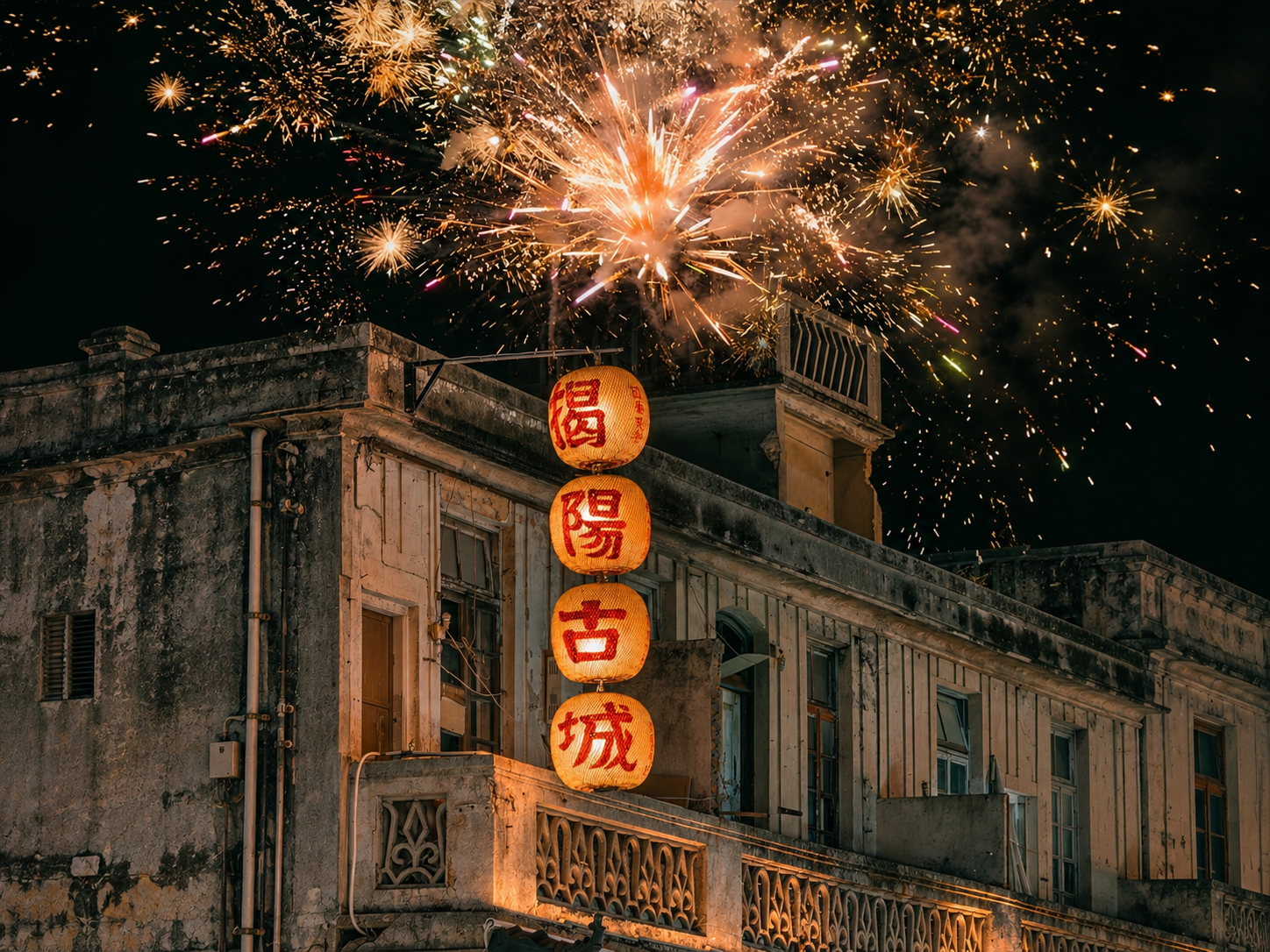
Ancestral origin (junwang) is an old native-place label for a surname, written on door lintels, lanterns, genealogy covers, and ancestral hall plaques. Its role is not to tell you which village, but to narrow 'same surname' to 'same branch'—first eliminate a large number of unrelated families, then discuss specific addresses.
Two things can be obtained: an earlier place name and a migration direction. Many Chaoshan genealogies trace origins to the Putian area of Fujian; this pointer itself is useful: it indicates you should look for a certain group of migrants, not all same-surname people in the region.
Failure cases are also clear. First, ancestral origin is a generic label; three villages in one town may hang the same 'X Family' plaque—anyone can use it. Second, generations before the Qing dynasty were often retroactively compiled, becoming less reliable further back; names and years may have been tidied up.
So treat ancestral origin as direction, not address. If this layer doesn't match, don't go back and alter the genealogy; instead use the founding ancestor's name to search. Many branches' oral traditions don't remember ancestral origin but do remember 'Ancestor X came from somewhere'—that name is far more useful than a four-character origin label.
When generation poems don't match, don't rush to conclude 'not this branch.' Chaoshan branches may start using the sequence from the middle or only take the last few generations; allow a shift of two or three characters when aligning. Write the two poems as two lines and slide them up and down—faster than character-by-character comparison to find the overlap.

How to pin down the specific village?
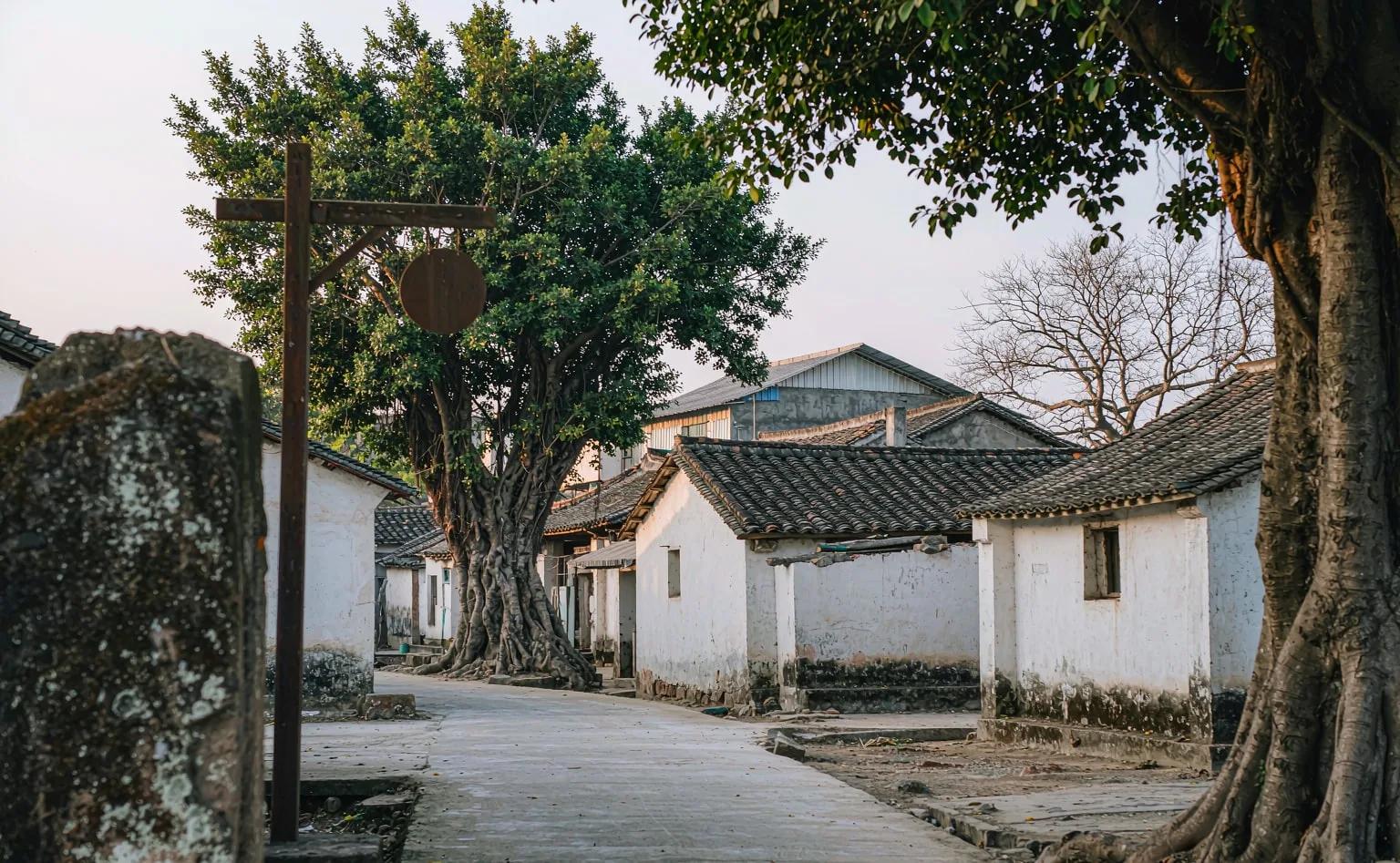
Going from old place names to today's administrative village names is the most time-consuming step. Administrative villages have been merged, renamed, and relocated several times in past decades; the village name elders mention may be a natural village's nickname or a township name long since abolished.
Four types of materials for cross-checking: recipient addresses on qiaopi (overseas remittance letters) envelopes, writing on the back of old photos, village names on tombstones, and elders' dialect pronunciation. If two of the four point to the same written form, that village name can become a candidate.
There is often a level difference between qiaopi addresses and today's village names. Envelopes may say 'X township, X village'; the township level is mostly abolished or merged, while the village name remains; or vice versa—village renamed, township name retained. When transcribing, keep both levels, don't just keep the last two characters.
Record results in three categories: match, suspected, no match. For suspected ones, keep two or three candidates, ordered by driving time; don't change your mind on site—information from asking directions on site often just takes you to the nearest village with the same name.
When stuck, check place-name evolution. Local gazetteers, county annals, and township household registration archives usually record correspondences between old and new names; the city archives' inquiry service is also usable—write down known old place names and dates, include return postage, no need to visit first.
Plan the on-site pace in advance. Three villages in one town fills a day: villages look close but actual routes wind around rivers, fields, and industrial zones. One village in the morning and one in the afternoon is the maximum; leave time for meals and finding people.
Avoid two time slots for village visits: noon and dusk. At noon few people are outdoors; at dusk most are eating. The windows for finding people to talk are 9–11 a.m. and 2–4 p.m. This judgment is more practical than any itinerary.
Before departure, connect candidate villages into a line on the map, go clockwise or counterclockwise, avoid back-and-forth. Chaoshan township roads are better than expected, but navigation's 'shortcuts' are often tractor paths—not recommended in rainy season.
Why is the ancestral hall the last step?
The ancestral hall is where results are verified, not the entry point. Entering without names, generations, and village names makes you easily taken for a tourist, unable to ask substantive questions, and prematurely exhausting villagers' patience.
Preconditions for entry usually three: introduction by a clan member or village official, stating your purpose, avoiding sacrifices and major festivals. Missing one, most times you can only look at the gate tower from outside, take two photos, and leave.
Another distinction: major ancestral hall vs. branch hall. The major hall honors the whole branch's founding ancestor, usually large and professionally managed; branch halls are built by sub-lineages, hidden in alleys, keys often with a particular household. Branch halls are harder to find but more directly relevant to your lineage. You can first ask, 'Does your sub-lineage have its own hall?'—easier to get an answer than 'Where is the ancestral hall?'
What you can get inside: lineage arrangement on ancestral tablets, honors and years on plaques, donor lists on restoration steles. Together these can place a name back into a lineage and also verify whether the previous two steps' judgments hold.
Be clear about what cannot be promised: whether the door opens, whether someone holds the key, whether the genealogy is in the village—none are decided by any external organization. Prior contact improves chances, but no one can make this promise on the village's behalf; the itinerary must include a contingency for not getting in.
Alternatives when the door is locked: first ask at the senior activity center or village committee—more appropriate than knocking door-to-door in alleys; if the genealogy is not in the village, it may be in the city archives, qiaopi museum, or with a same-surname branch in a neighboring village—save this line for a second trip.
Etiquette is a hard constraint: no photos, recordings, or flipping through genealogies without permission. Bring a little tea or fruit, listen first, then bring out your materials to compare—far more effective than opening your notebook at the door.
At which step should you stop?
Three situations suggest stopping: family disagreement on surname origin with no written materials; more than three candidate villages with no order of priority; only 'heard say' with no physical object to show. If any one holds, continuing has low cost-effectiveness.
Stopping at step one costs a few hundred in search fees; stopping at step three only to find the direction wrong costs the whole trip and companions' vacation. Better to spend an extra week at home than bring uncertainty to the village entrance.
Recording method directly affects the second trip. After the first return, write each clue as one line: source, content, credibility, next action. With four columns filled, which villages to visit and whom to find on the second trip becomes clear. Conversely, just recording a bunch of place names means re-sorting from scratch next time.
Time and cost basis also here: completing the four steps usually requires two trips. The first focuses on verifying surnames and narrowing village candidates; the second on entering villages and halls. A gap of a month or more between trips is not wasted—it's exactly for organizing first-trip records and filling missing physical materials.
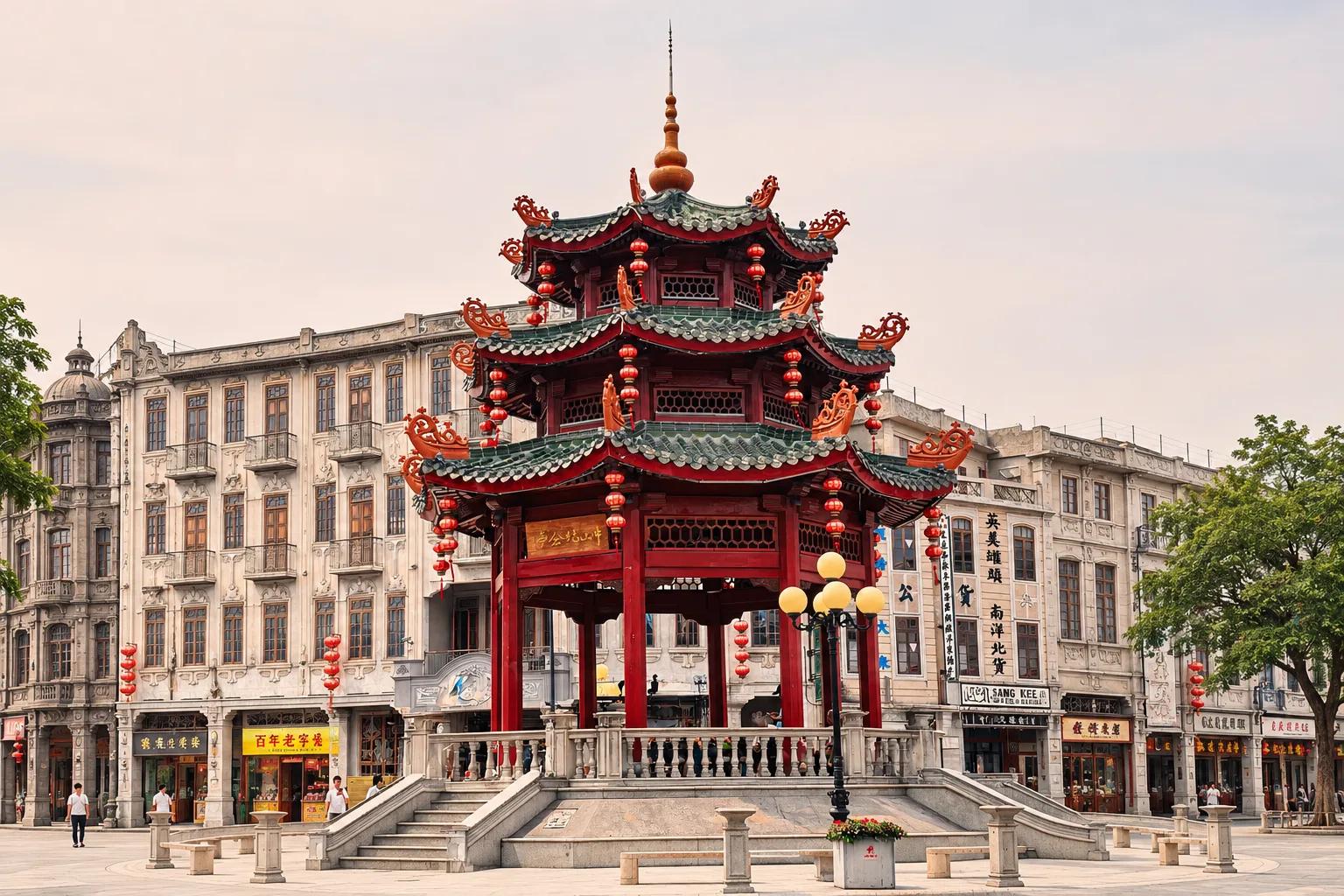
A word of discouragement: if you just want to casually see your hometown during a holiday, you don't need this process. Just go to the old town of Shantou or Chaozhou for a day or two, see the arcade houses (qilou), see the Paifang Street, sit down for a meal—the experience may be no less than village visits. The four-step method is for those willing to make two trips and accept 'not finding it this time.'
Sources: public information from the Guangdong Provincial Department of Culture and Tourism (whly.gd.gov.cn) and the China Intangible Cultural Heritage Network (ihchina.cn); specific genealogy and ancestral hall situations are subject to local clan members and village explanations. The existing overseas return roots preparation covers pre-departure material organization; this piece covers verification order—read together.
If you have a surname, an old place name, and one or two physical objects, send them to us; we'll first arrange the verification order per the four-step method, then judge whether to proceed. Itinerary and vehicle confirmed by date and group size; no price commitment here. You can also first read the roots theme page or compare the structure of the 4-day roots journey before deciding the first step.